
Last updated October 16, 2026
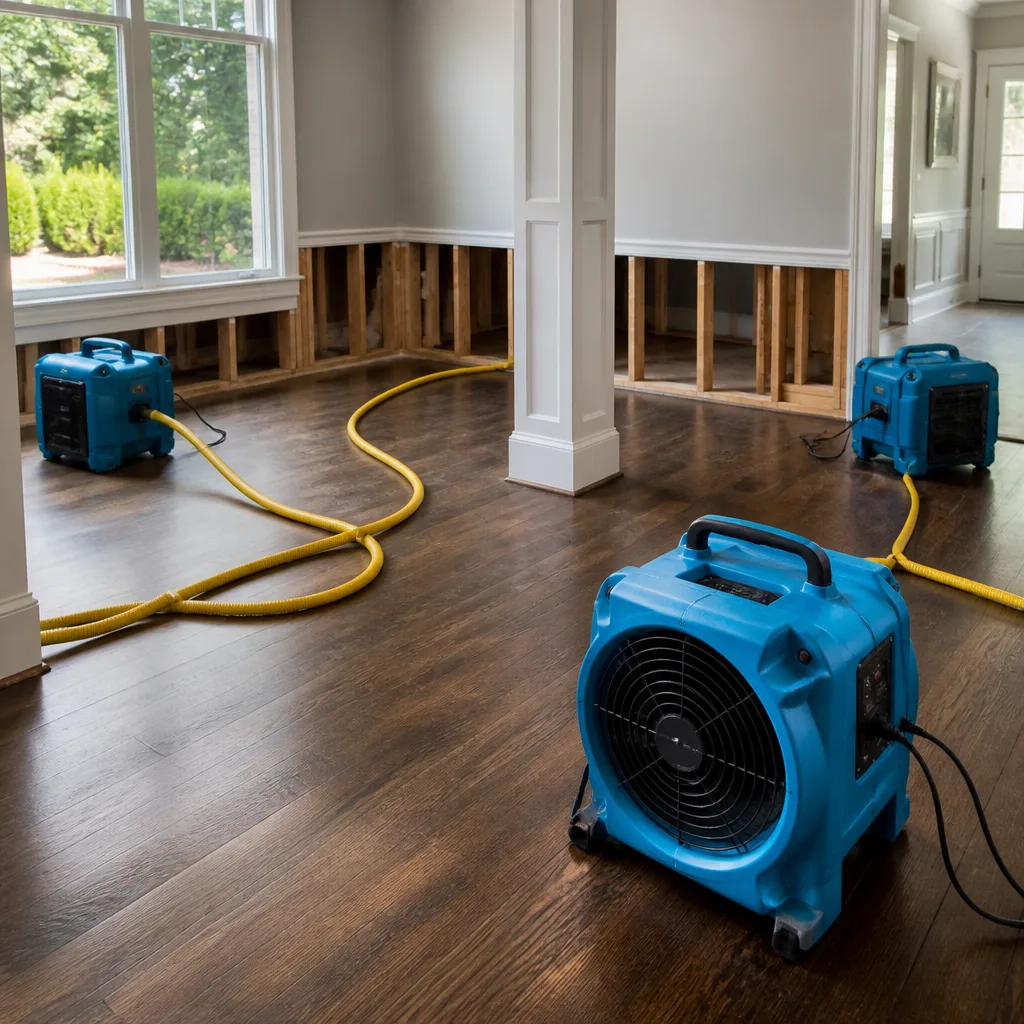 Water damage drying
 Fire & smoke cleanup
 Mold remediation
 Storm response
 Sewage cleanup
 Reconstruction
Free visual inspection and a written scope of work before any mitigation begins - photos, moisture readings, and drying logs go in your claim file
The scope we write is the scope we bill. Anything new gets shown to you, in writing, before we touch it.
Get your free estimateWater Damage Restoration Maintenance Checklist for Hempstead Homeowners
The average Hempstead homeowner discovers a slow leak 18 days after it starts. By that point, mold colonies are already established behind the drywall, and the repair cost has tripled compared to what a 48-hour catch would have run. This guide is not about preventing every possible leak in your home. It is about cutting the response time when a leak happens, because that single variable, the gap between first drip and first response, determines more of your final repair bill than any other factor. We will walk you through the exact failure points we see most often in Hempstead’s housing stock, from cast-iron stack joints in prewar bathrooms to sump pump discharge lines that freeze solid in January, and we’ll show you the inspection routine that catches trouble while it is still cheap to fix. For a deeper dive, see The Complete Guide to Damage Restoration in Hempstead.
Restoration work we handle
Quick Answer
A practical water damage maintenance checklist for Hempstead homeowners means inspecting six zones monthly (bathroom plumbing, kitchen connections, basement and sump, attic and roof, exterior drainage, and appliance lines), documenting baseline moisture readings in each zone, and running the tide mark test with a flashlight and painter’s tape to catch slow wall migration before it reaches framing. The goal is not perfection. The goal is catching leaks inside 48 hours, which keeps most repairs in the hundreds instead of the thousands.
Table of Contents
- Why Hempstead Homes Leak the Way They Do
- The Tide Mark Test: Your Monthly Inspection Routine
- Baseline Moisture Documentation: Proving New Damage vs. Pre-Existing Conditions
- Room-by-Room Checklist: Hempstead’s Most Common Failure Points
- Insurance Policy Landmines: Which Skipped Maintenance Items Void a New York Claim
- Pet-Safe and Child-Safe Maintenance Products for Routine Mold Inhibition
- Seasonal Calendar: Hempstead’s Moisture Pressure Cycle
- Common Mistakes to Avoid
- When to Call a Professional
- Frequently Asked Questions
- The Bottom Line
Why Hempstead Homes Leak the Way They Do
Hempstead’s housing stock spans a wide range, but the patterns repeat. Roughly half the homes we inspect in Hempstead were built before 1960, and those houses share certain plumbing and drainage characteristics that newer construction simply does not have. Add in the moisture pressure that comes from our location on Long Island, where summer humidity routinely sits above 70 percent and winter freeze-thaw cycles stress exterior drainage lines, and you get a predictable set of failure points.
The Pre-1950 Plumbing Reality
Homes built before 1950 in Hempstead frequently still have original cast-iron drain stacks. Cast iron corrodes from the inside out. The first sign is often not a visible leak but a slow seep behind a bathroom wall, where the stack joint has thinned to the point that moisture wicks into the plaster or drywall. By the time you see a stain on the ceiling below, that joint has been leaking for weeks. In our experience across Hempstead, stack joint failures in prewar bathrooms are the single most common source of hidden water damage we are called in to remediate.
Knob-and-Tube Wiring Near Plumbing
Pre-1950 Hempstead homes also sit more often on knob-and-tube electrical systems in their original walls and ceilings. This matters for water damage because knob-and-tube wiring was commonly run through the same wall cavities as supply lines and waste stacks. When a pipe sweats, drips, or fails in a wall with knob-and-tube, the moisture reaches old cloth-wrapped wiring that has no ground and no modern insulation rating. That is a water problem that becomes an electrical problem. We flag this not to alarm you but to explain why a leak inside a prewar Hempstead wall is a higher-priority response than the same leak in a 1990s addition.
Long Island Sound Moisture Pressure
You cannot talk about water damage in Hempstead without talking about ambient moisture. Homes here live under persistent humidity pressure from the Sound, and basements in Hempstead commonly run 60 to 75 percent relative humidity from June through September without mechanical dehumidification. That baseline means a small leak that would dry on its own in a drier climate instead feeds continuous mold growth inside wall cavities here. It also means your dehumidifier is not an optional comfort appliance in Hempstead. It is a structural maintenance tool. For more detail on how Hempstead’s climate affects restoration work specifically, see our guide to water damage restoration in Hempstead.
The Tide Mark Test: Your Monthly Inspection Routine
A tide mark is the line water leaves on a wall, the high-water line that shows exactly where moisture reached before it receded or was absorbed. It is the first thing our technicians look for on every job, because it tells us where water traveled, not just where it pooled. You can run a simplified version of this test yourself in about 20 minutes per month, using a flashlight and a roll of painter’s tape.
- Work room by room with a bright flashlight held flat against the wall. Shine the light across the surface at a low angle rather than straight on. Water stains, ghosting, and subtle paint discoloration show up far better under raking light.
- Mark every suspect area with a small piece of painter’s tape. Painter’s tape removes cleanly, which matters when you are marking walls and ceilings repeatedly. Date the tape with a pencil. That date is your response-time log.
- Return to each marked area 30 days later with the same flashlight. If the mark has grown, darkened, or developed a visible edge, you are looking at active moisture migration. The tide mark is moving. That is your cue to call a restoration professional, not a handyman.
- If the mark is unchanged after two monthly checks, remove the tape and note the spot as a known cosmetic blemish. A stain that stays exactly the same size for 60 days is almost always old damage, not an active leak. Document it with a photo and move on.
The tide mark test does not require any special equipment beyond what you already own, and it costs nothing but 20 minutes. What it buys you is the single most valuable thing in water damage: early detection. The same principles apply when we are called in for mold work after a leak has run its course, which you can read about in our mold remediation in Hempstead guide.
Baseline Moisture Documentation: Proving New Damage vs. Pre-Existing Conditions
Insurance adjusters in New York work from a simple principle: if you cannot prove a condition is new, they may classify it as pre-existing and deny coverage. That is not an accusation of fraud. It is standard policy language. What protects you is documentation you create now, before anything goes wrong.
What to Document
- A pin-type or pinless moisture meter reading for each major wall, floor, and ceiling zone in your basement, laundry area, bathrooms, and kitchen. Pinless meters cost $40 to $80 and read through surfaces without leaving holes.
- Photos of every wall and ceiling in high-risk rooms, taken with the date visible. These are your baseline images. When a claim happens, you will have proof of the “before.”
- Humidity readings in your basement and attic, taken monthly with a $15 hygrometer you leave in place. Record the number in a simple notebook or phone note.
- Any existing stains, cracks, or water marks, photographed and documented as known, static conditions. This is especially important in older Hempstead homes where decades of small past leaks have left cosmetic marks.
Why It Matters for Restoration Work
When a restoration company arrives after a real leak, the first question an adjuster asks is whether the damage is new. If you can show baseline moisture readings from three months earlier that were dry, and post-leak readings that are wet, the claim moves faster and with less resistance. If you cannot, the adjuster may spend weeks determining what is new versus what existed before. Our technicians document the same baselines when we arrive on a Hempstead job, and having your own records makes our documentation stronger. This is the kind of preparation that pays for itself the first time you file. For what those costs typically look like, see our Damage Restoration Cost Breakdown: The Hempstead Homeowner’s Reference for 2026.
Room-by-Room Checklist: Hempstead’s Most Common Failure Points
Every home has different weak points, but Hempstead’s housing age range and coastal moisture pressure create a predictable map of trouble. Here is the checklist we would give a neighbor, organized by room and calibrated to what we actually see on restoration jobs in Hempstead.
Bathrooms: Cast-Iron Stacks and Supply Connections
- Inspect the visible portion of your waste stack monthly. If your home predates 1960 and the stack is original cast iron, look for rust bloom, weeping joints, or a darkening seam where the pipe meets the wall or floor. A flashlight at a low angle shows seepage early.
- Run your hand along the base of every toilet twice a year. Wax ring failures leak slowly, often without visible water. A damp, darkened, or softened floor around the toilet base is the signal.
- Re-caulk tub and shower perimeters every two to three years. Caulk degrades faster in humid Hempstead bathrooms than in drier climates. Failed caulk lets splash water ride into the wall cavity every time someone showers.
- Check supply line connections under sinks quarterly. Compression fittings loosen over time from temperature swings. A quarter-turn with a wrench is often all it takes to prevent a slow drip that has been feeding the cabinet base for months.
Kitchens: Slow Drips Under Pressure
- Look under the sink after every dishwasher cycle for two weeks. Dishwasher drain connections are a top source of slow kitchen leaks. A paper towel laid under the connection shows moisture instantly.
- Inspect the refrigerator water line monthly. Ice maker supply lines are thin plastic in many Hempstead homes and they fail at the compression fitting where they meet the fridge. A small drip there runs along the floor and under cabinets, where it stays hidden.
- Check under the sink cabinet floor with a flashlight quarterly. The cabinet base is often particleboard, which swells and darkens when it has taken on water. If the base feels soft or looks swollen, the leak has been running for a while.
Basement: Sump Pumps and Frozen Discharge Lines
- Test your sump pump monthly during wet months. Pour a five-gallon bucket of water into the pit and confirm the pump kicks on and discharges outside. A pump that has not run in months can seize exactly when the next big storm hits Hempstead.
- Inspect the exterior discharge line every November and January. In Hempstead, sump pump discharge lines freeze in January when the line terminates too close to the foundation or does not slope away. A frozen discharge line means the pump burns out or the pit overflows, which sends water across your basement floor.
- Keep the basement humidity below 60 percent year-round. A dehumidifier with a built-in hygrometer, drained to a floor drain or condensate pump, is the baseline defense in Hempstead basements. This is not about comfort. This is about keeping ambient moisture below the level where mold colonies establish.
Attic and Roof: The Top-Down Leaks
- Inspect the attic after every heavy rain in the spring and fall. Look for darkened sheathing, water staining at nail points, and any daylight visible through the roof deck. These are slow, top-down leaks that travel along rafters and show up far from the actual breach.
- Check bathroom exhaust fan venting annually. In Hempstead homes, exhaust fans are sometimes vented into the attic rather than through the roof. That pumps warm, humid air directly into the attic space, where it condenses on cold sheathing in winter and feeds mold growth. The fix is venting to the exterior, and it is one of the cheapest corrections on this list.
- Clear gutters twice a year, and more often if you have mature trees. Clogged gutters in Hempstead’s fall leaf season let water spill over the fascia, run down the exterior wall, and enter at the foundation line. The water damage shows up in the basement, but the cause is up top.
Exterior: Drainage and Grading
- Check that the ground slopes away from your foundation at least six inches over ten feet. Over time, soil settles and the grade can reverse, especially around newer additions and patios. Water pooling against the foundation wall is the leading cause of basement seepage in Hempstead homes we inspect.
- Make sure downspouts discharge at least three feet from the foundation. A downspout that dumps water at the corner of the house is dumping water directly against your foundation wall every time it rains. Extensions are cheap; the foundation repair they prevent is not.
- Inspect window wells for proper drainage and covers. Below-grade window wells fill with leaves, debris, and water. A missing well cover lets water collect against the window frame, and that water finds its way inside within a season or two.
Laundry and Mechanical Rooms
- Replace washing machine supply hoses every five years, no matter how they look. Rubber washer hoses fail at the crimped ends, and the failure is catastrophic when it happens: an open supply line at full pressure floods a Hempstead basement in under an hour. Braided stainless lines cost $30 a pair and eliminate this risk.
- Check the water heater annually for rust at the tank base and at the supply fittings. Water heaters last 10 to 15 years in Hempstead homes, and the failure mode is usually a slow tank leak that starts days or weeks before the big release. Rust at the base is the warning.
This checklist aligns with the standard inspection process our technicians follow when we are called to a Tidemark Water Damage Hempstead home, and it is built from what we see on actual restoration jobs in Hempstead, not from generic national lists.
Insurance Policy Landmines: Which Skipped Maintenance Items Void a New York Claim
Standard New York homeowner’s insurance policies cover sudden and accidental water damage, like a burst supply line or a storm-driven leak. They do not cover damage from neglect or lack of maintenance. The line between those two categories is where many Hempstead homeowners lose claims they expected to win.
What Standard New York Policy Language Says
Most policies exclude coverage for damage resulting from “continuous or repeated seepage or leakage” that occurs over a period of weeks or months. That means the slow leak behind your bathroom wall that you did not catch for 18 days? The damage it causes may not be covered if the adjuster determines you should have caught it earlier through reasonable maintenance.
Specific Maintenance Items That Protect Your Claim
- Roof inspection and maintenance. A storm tears shingles off, rain enters, damage follows: covered. But if the adjuster finds that your roof had pre-existing failed flashing, worn shingles, or clogged gutters that predated the storm, coverage may be reduced or denied. Document roof repairs and gutters cleanings with dated photos.
- Plumbing maintenance records. A burst pipe is covered. A pipe that has been leaking slowly for months and finally failed completely is often classified as seepage, not a sudden event. Save receipts for any plumbing repair, and photograph the work.
- Sump pump maintenance. Flooding from a failed sump pump is typically covered only if the failure resulted from a covered peril, like a power outage during a storm. Flooding from a pump that failed because of lack of testing or maintenance may be excluded. The monthly five-gallon test we recommended earlier is your documented defense.
- Appliance supply line replacement. Some policies now include language about “reasonable expected life” for rubber washing machine hoses. If a 15-year-old rubber hose bursts and floods your basement, the adjuster may cite failure to replace known-age components. The $30 braided line is your cheapest insurance premium.
How Documentation Works in Your Favor
When you file a claim, you are in a stronger position if you can show a maintenance log, photos, and receipts. The baseline moisture documentation we covered earlier serves the same function for determining new versus pre-existing damage. This is not about gaming the system. It is about being able to demonstrate, with evidence, that you maintained the property to a reasonable standard. That evidence is what keeps a covered claim covered. For property damage involving fire, which follows a different claim path, see our guide to fire damage restoration in Hempstead.
Pet-Safe and Child-Safe Maintenance Products for Routine Mold Inhibition
Between professional inspections, there are maintenance products homeowners can use to keep mold pressure down in Hempstead’s humid conditions. We are specific about this because many of our Hempstead customers have children and pets, and the standard advice to “spray bleach on it” is not advice we would give to our own neighbors. Bleach is not a mold remediation product for porous surfaces, and it is not something you want a crawling child or a curious dog breathing.
What Works and Is Safe
- White vinegar at full strength in a spray bottle. Vinegar kills most surface mold species on non-porous surfaces and inhibits regrowth. It is food-safe enough to eat, though you should still not spray it while a child or pet is in the immediate area. Apply, let it sit for 30 minutes, wipe dry. Use it monthly on shower perimeters, window tracks, and basement walls that show early surface mold.
- Hydrogen peroxide at 3 percent strength. Peroxide is effective on surface mold and breaks down into water and oxygen, leaving no toxic residue. It is a better choice than vinegar on some surfaces because it bleaches mold staining. Wear gloves and ventilate the room. Do not mix peroxide and vinegar; use them separately on different days.
- Commercial botanical mold sprays, such as Concrobium or similar EPA-registered products. These are formulated specifically for mold inhibition and are generally lower-toxicity than traditional fungicides. They penetrate porous surfaces and leave an inhibitory film. Read the label for pet re-entry guidance, and choose products that state they are free of harsh solvents.
- Baking soda paste for small, contained mold patches on grout or caulk. Mix baking soda with a small amount of water, apply, scrub with a soft brush, rinse. Baking soda raises pH locally and disrupts mold growth, and it is completely non-toxic.
What to Avoid Around Kids and Pets
- Bleach on porous materials. Bleach’s active ingredient does not penetrate porous surfaces like drywall, wood, or grout, which is where mold roots live. It can also off-gas chlorinated compounds into your home’s air.
- Any “mold bomb” or fogging product sold for DIY use. These aerosolize chemicals throughout the house, and re-entry safety windows are often not well understood by homeowners. We do not recommend them when safer, targeted options exist.
All of the above is preventive and for surface-level maintenance. If mold has established inside a wall cavity, behind a cabinet, or under flooring, no retail product will reach it. That is the point at which professional remediation with proper containment is the honest recommendation. Our mold remediation service in Hempstead page explains what that process looks like and how we keep it contained to the affected area.
Seasonal Calendar: Hempstead’s Moisture Pressure Cycle
Hempstead’s water damage risks follow the seasons. The checklist above is monthly, but certain tasks belong at certain points in the year, and anchoring them to the calendar makes them easier to remember.
Spring (March through May): Thaw and Rain
- Inspect your sump pit and discharge line after the last freeze. Confirm the line slopes away and the pump runs.
- Check basement walls for new efflorescence or damp patches as spring rain raises the water table.
- Clean gutters after spring leaf drop and confirm downspouts discharge away from the house.
- Test your dehumidifier and set it to maintain 55 to 60 percent in the basement.
Summer (June through August): Humidity Peak
- Run the basement dehumidifier continuously. Long Island Sound keeps ambient moisture high all summer.
- Inspect air conditioning condensate lines monthly. A clogged condensate drain overflows into the mechanical room or ceiling below an attic unit.
- Run the tide mark test in full, photographing any changes in known stain areas.
- Check bathroom exhaust fans for proper operation. Summer is when humidity-driven mold growth in bathrooms peaks.
Fall (September through November): Storm Season and Leaf Load
- Clean gutters twice: once in mid-October after the first heavy leaf drop, and once in late November after the final drop.
- Inspect roof flashing and shingles before the first freeze. Fall storms expose weak spots that winter will make worse.
- Disconnect and drain exterior hoses. A garden hose left attached to an exterior spigot freezes back into the wall and the burst pipe floods the interior.
- Test the sump pump before the November rain pattern sets in.
Winter (December through February): Freeze and Thaw
- Check sump discharge lines for ice blockage every week in January. A frozen discharge line is a Hempstead basement flood waiting to happen.
- Inspect attic for condensation on cold days. Warm indoor air leaking into a cold attic condenses on the sheathing, and repeated freeze-thaw cycles cause attic moisture damage.
- Verify that heat reaches all rooms, including unoccupied spaces. Frozen pipes happen in rooms where the heat was shut off or blocked.
- Run the tide mark test after any January thaw; melt water is a common source of slow foundation seepage in Hempstead.
Common Mistakes to Avoid
- Waiting to see if a stain drys on its own. In Hempstead’s humidity, a damp spot in a wall cavity does not dry; it feeds mold. If the tide mark moved, act.
- Painting over a water stain without confirming the source is fixed. Paint hides the stain; it does not stop the leak. The leak continues behind the fresh paint, and the repair cost climbs with every week that passes.
- Using bleach on visible mold and calling the problem solved. Bleach does not reach mold roots in porous materials, and the regrowth happens within weeks. Professional remediation with proper containment is the actual fix.
- Setting the basement dehumidifier to “comfort” rather than “structural” humidity levels. Comfort is around 50 percent; structural protection kicks in below 60 percent. Our recommendation for Hempstead basements is 55 to 60 percent year-round.
- Leaving exterior hoses attached in winter. The freeze backs up into the wall, and the pipe splits. The flood happens in the wall, not the yard, and you discover it in March.
- Assuming your sump pump works because it is plugged in. Pumps seize, impellers jam, and float switches fail. The five-gallon monthly test is the only way to know your pump will actually run when the pit fills.
- Not photographing maintenance work. A receipt shows you paid for a repair; a photo shows the work was actually done and the condition it left the property in. Dated photos are claim evidence.
When to Call a Professional
Some maintenance items are DIY. Some are not. Call a restoration professional when you have active water migration into building materials, mold visible on more than about ten square feet of surface, water that has been standing more than 48 hours, damage inside wall or ceiling cavities, or any leak that involves electrical wiring in a pre-1950 Hempstead home with knob-and-tube. These are the situations where the cost of a wrong guess exceeds the cost of a professional assessment. Tidemark Water Damage Hempstead offers free estimates in Hempstead, with a written price before any work starts, every time. Call (516) 559-4877 and a person answers, day or night.
Frequently Asked Questions
Monthly, using the tide mark test and the room-by-room checklist in this guide. Monthly inspections catch slow leaks within 30 days, and most Hempstead leaks that become major damage started weeks before they were visible. Seasonal deep checks, timed to Hempstead’s freeze-thaw and humidity cycles, handle the rest.
Cast-iron waste stack joints in pre-1950 bathrooms. The joints corrode from the inside out and leak slowly into wall cavities for weeks before the first visible stain appears on a ceiling below. If your home has original cast-iron stacks, inspect the visible joints monthly with a flashlight.
Often not, under standard New York policy language that excludes “continuous or repeated seepage” over time. The strongest protection is documented maintenance: dated photos, moisture readings, and receipts for repairs. That evidence shows the damage was not the result of neglect, which keeps covered claims covered.
A moisture meter is worth the $40 to $80 because it catches water behind surfaces before visual signs appear. Wall cavities in Hempstead homes can hold elevated moisture for weeks before staining shows through drywall or plaster. Visual inspection finds what has already surfaced; a meter finds what is still hidden.
For small, surface-level mold on non-porous materials, white vinegar or 3 percent hydrogen peroxide applied directly, left to sit for 30 minutes, and wiped dry works as a maintenance measure. If mold covers more than ten square feet or has penetrated drywall or wood, that is a remediation job, not a cleaning job, and it needs proper containment.
When you call (516) 559-4877 for Water Damage Restoration, a live person answers and dispatches a crew that same day for active water emergencies. Our trucks run out of Hempstead, not a regional depot two towns away, and the goal on a water call is to have the tide mark mapped and drying equipment running within hours, not days. Estimates are free, and the written price comes before any work starts.
The Bottom Line
A maintenance checklist for Hempstead homeowners is not about living in fear of leaks. It is about building a monthly rhythm that catches water in the first 48 hours, when repairs are small and insurance claims are simple. The tide mark test, baseline moisture documentation, seasonal calendar, and room-by-room checklist in this guide are the same principles our technicians apply on every job. Water damage in Hempstead homes follows predictable patterns, and those patterns respond to early detection. The homeowners who stay ahead of this are the ones who never see a five-figure restoration bill from a leak that started as a drip behind a wall. For more guides & resources, explore our blog, or call (516) 559-4877 for a free estimate, and you will get a written price before any work starts.
Written by Rick Sumner, Owner at Tidemark Water Damage Hempstead, serving Hempstead since 2006.
See the difference
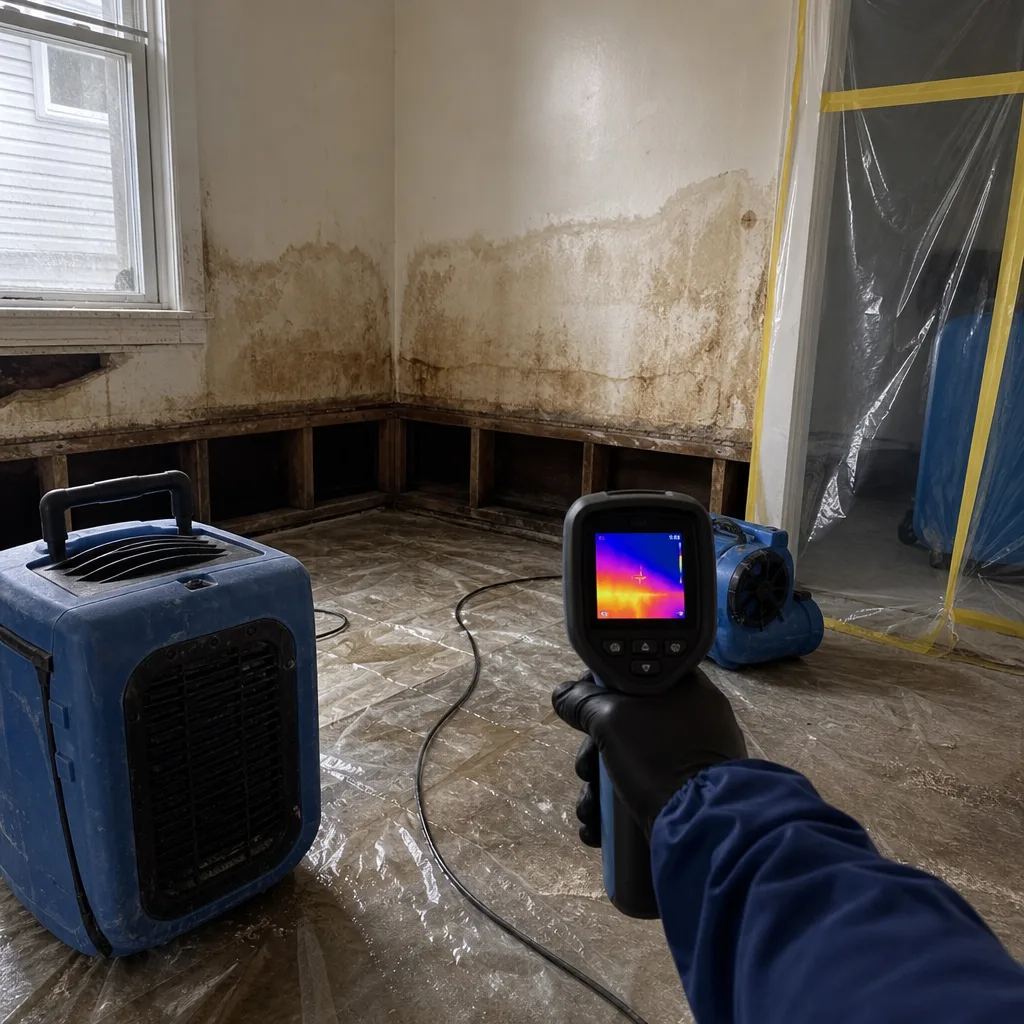 Before
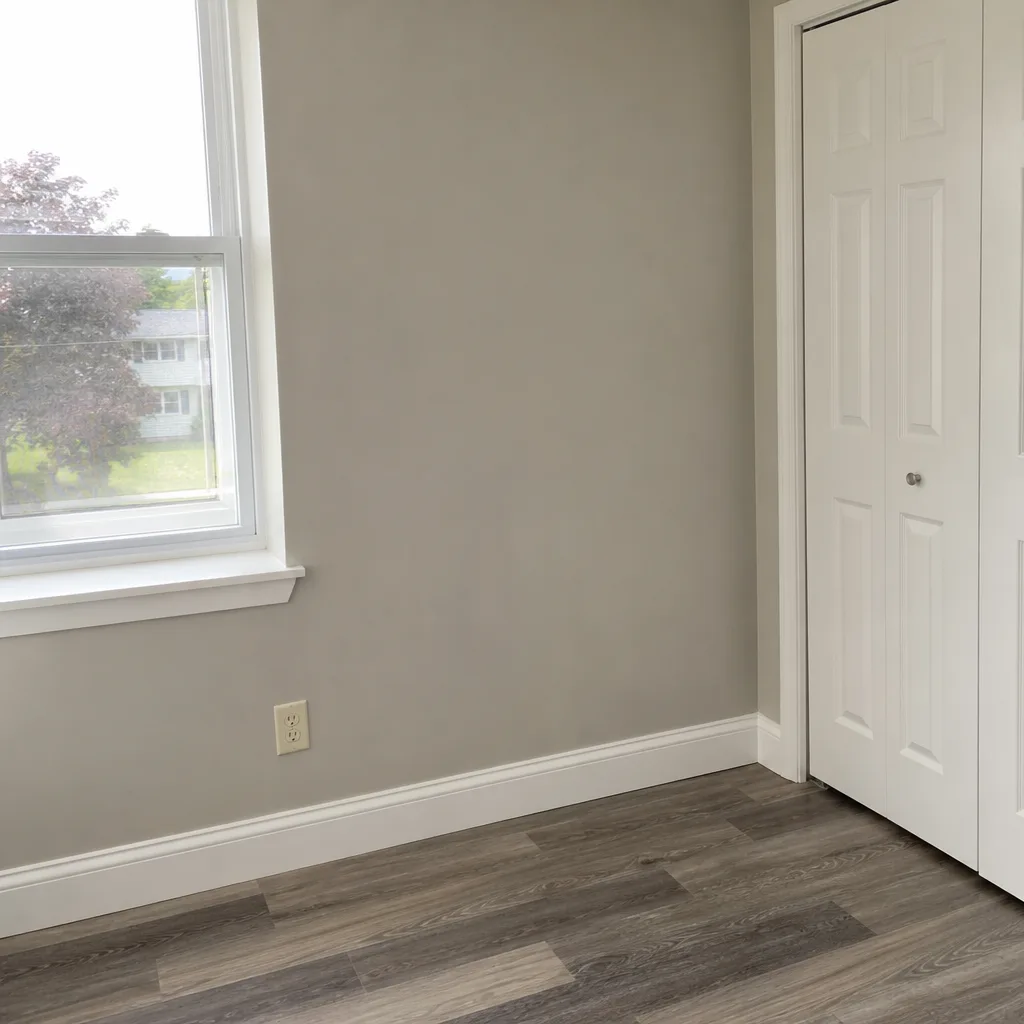
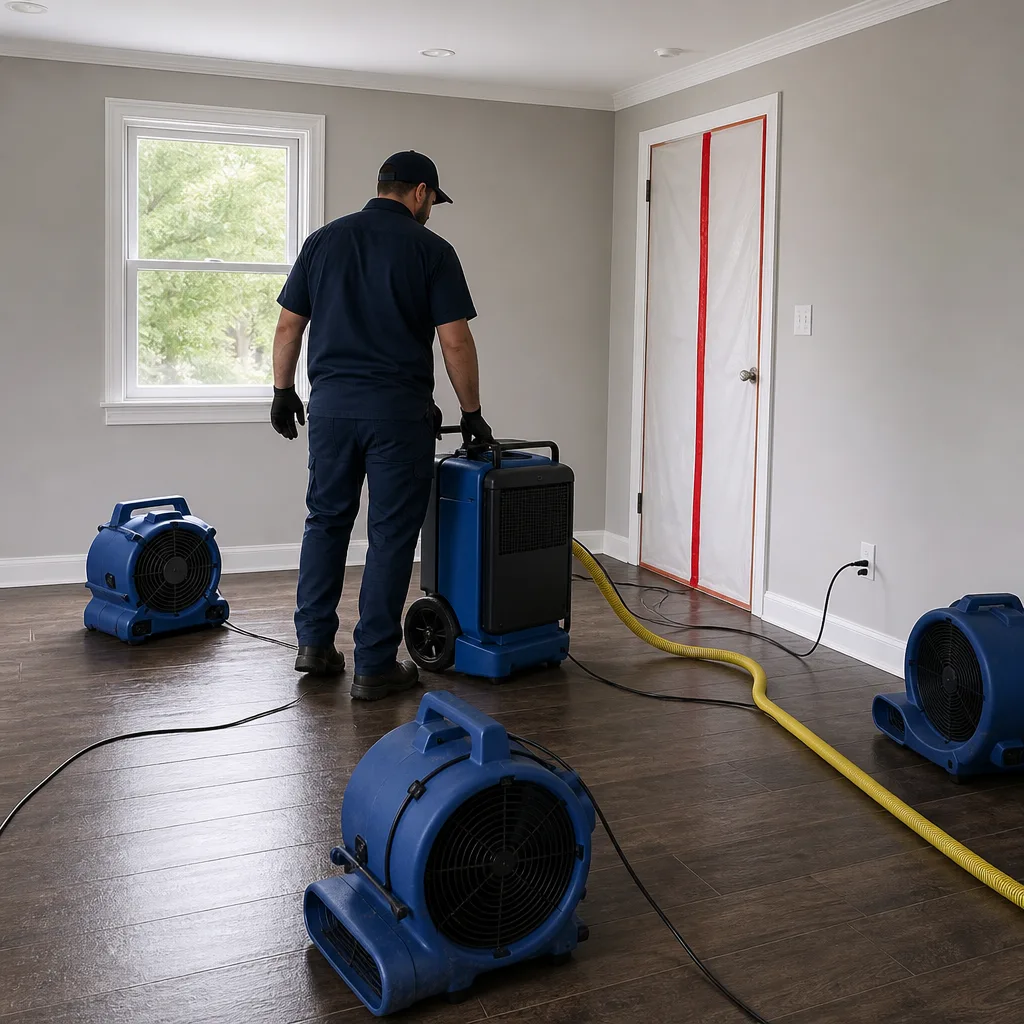 After
After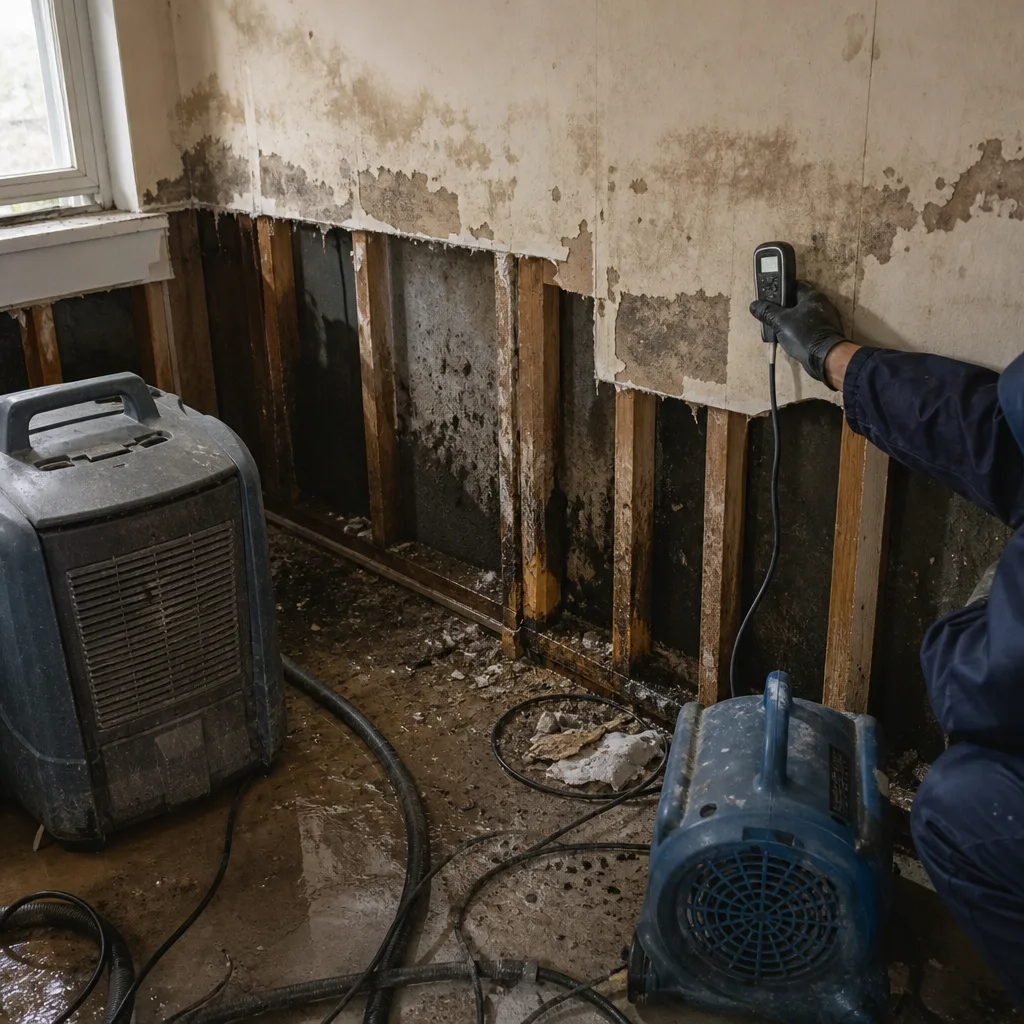 Before
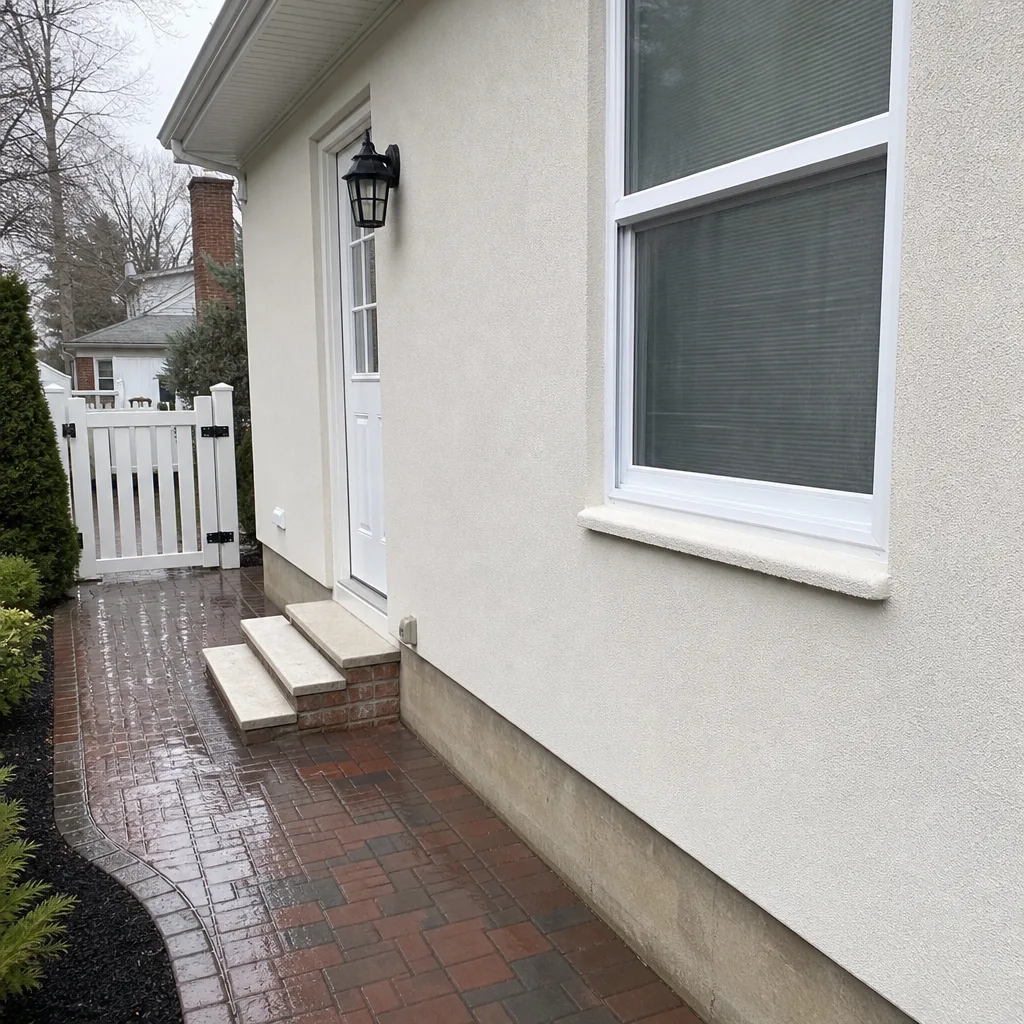 After
After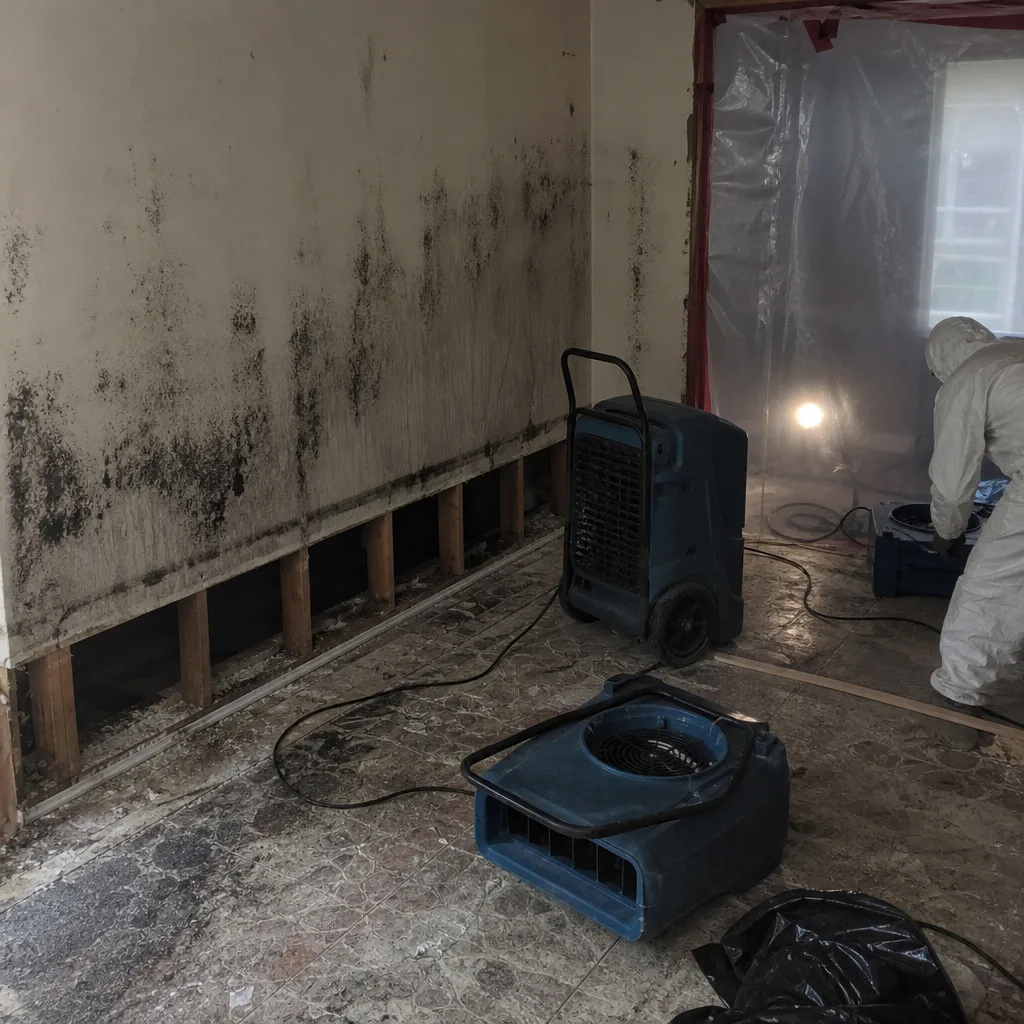 Before
 After
After