
Last updated October 16, 2026
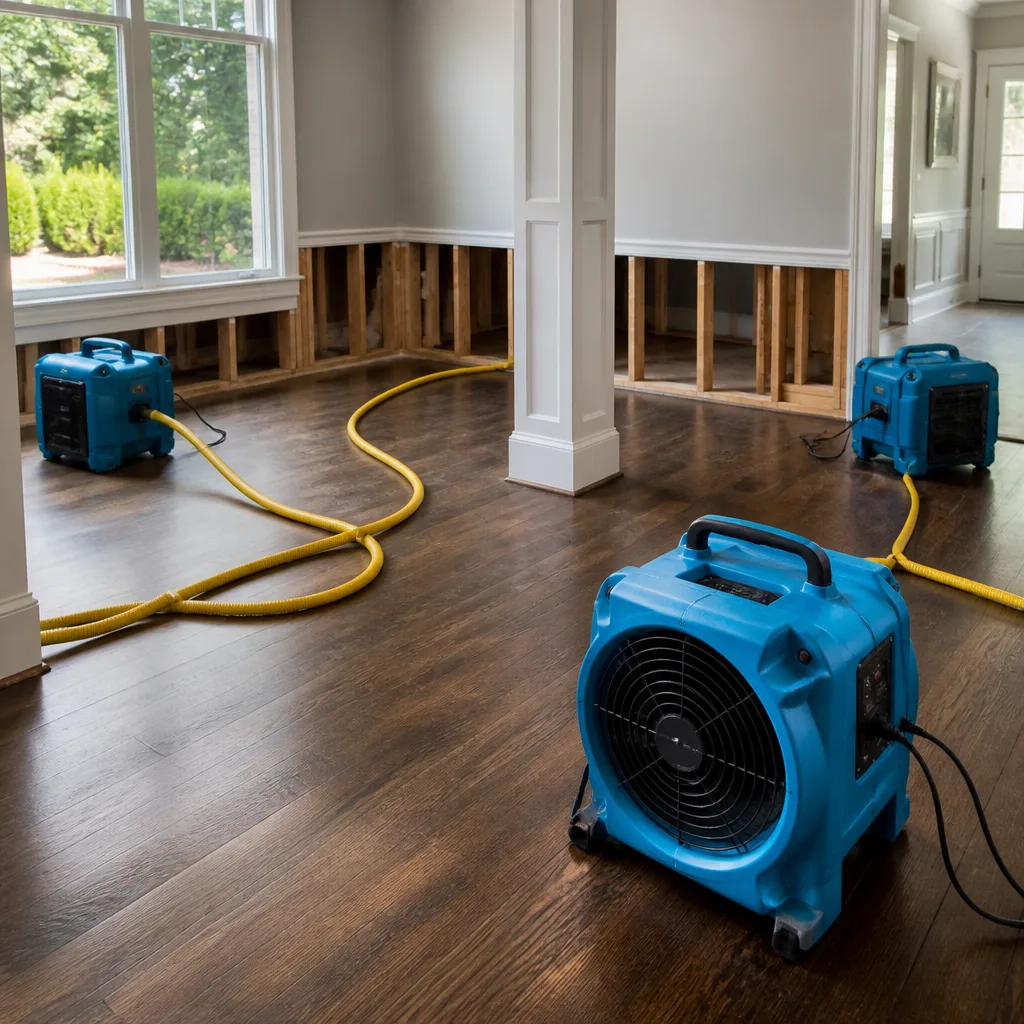 Water damage drying
 Fire & smoke cleanup
 Mold remediation
 Storm response
 Sewage cleanup
 Reconstruction
Free visual inspection and a written scope of work before any mitigation begins - photos, moisture readings, and drying logs go in your claim file
The scope we write is the scope we bill. Anything new gets shown to you, in writing, before we touch it.
Get your free estimateDIY vs Professional Damage Restoration: The Hempstead Homeowner’s Decision Guide
A consumer-grade dehumidifier removes roughly 30 pints of moisture per day. A commercial LGR (low-grain refrigerant) dehumidifier removes 150 pints and operates at a dew point that actively prevents mold growth inside wall cavities. That gap is why the homeowner who says “I dried it out myself” is the most common story behind a $40,000 mold remediation job. This guide draws the exact line between what a determined Hempstead homeowner can safely handle and what requires professional equipment, using real numbers from Hempstead’s older housing stock where a 1920s lath-and-plaster wall dries very differently than a 2005 drywall partition. For year-round prevention tips, see our Water Damage Restoration Maintenance Checklist for Hempstead Homeowners.
Quick Answer
DIY is the right call for clean-water spills under 50 square feet that you can extract within 2 hours and dry within 48 hours. Professional restoration becomes non-negotiable the moment water travels into wall cavities, under flooring, into a finished basement with padding, or when the source is anything but clean municipal water. In Hempstead, where many homes predate 1960, hidden moisture in plaster and hardwood subfloors routinely doubles the cost when DIY drying is attempted first.
Restoration work we handle
Table of Contents
- The Equipment Gap: Why Consumer Tools Fail Hempstead Homes
- What a Well-Equipped DIYer Can Genuinely Handle
- Where Professional Tools Become Non-Negotiable
- The Insurance Implication of DIY Restoration Attempts
- Calculating the True Cost Comparison
- Pet and Child Safety in DIY Restoration
- Hempstead Housing Stock: What Your Walls Are Hiding
- Specific Scenarios: When to Keep Going DIY and When to Stop
The Equipment Gap: Why Consumer Tools Fail Hempstead Homes
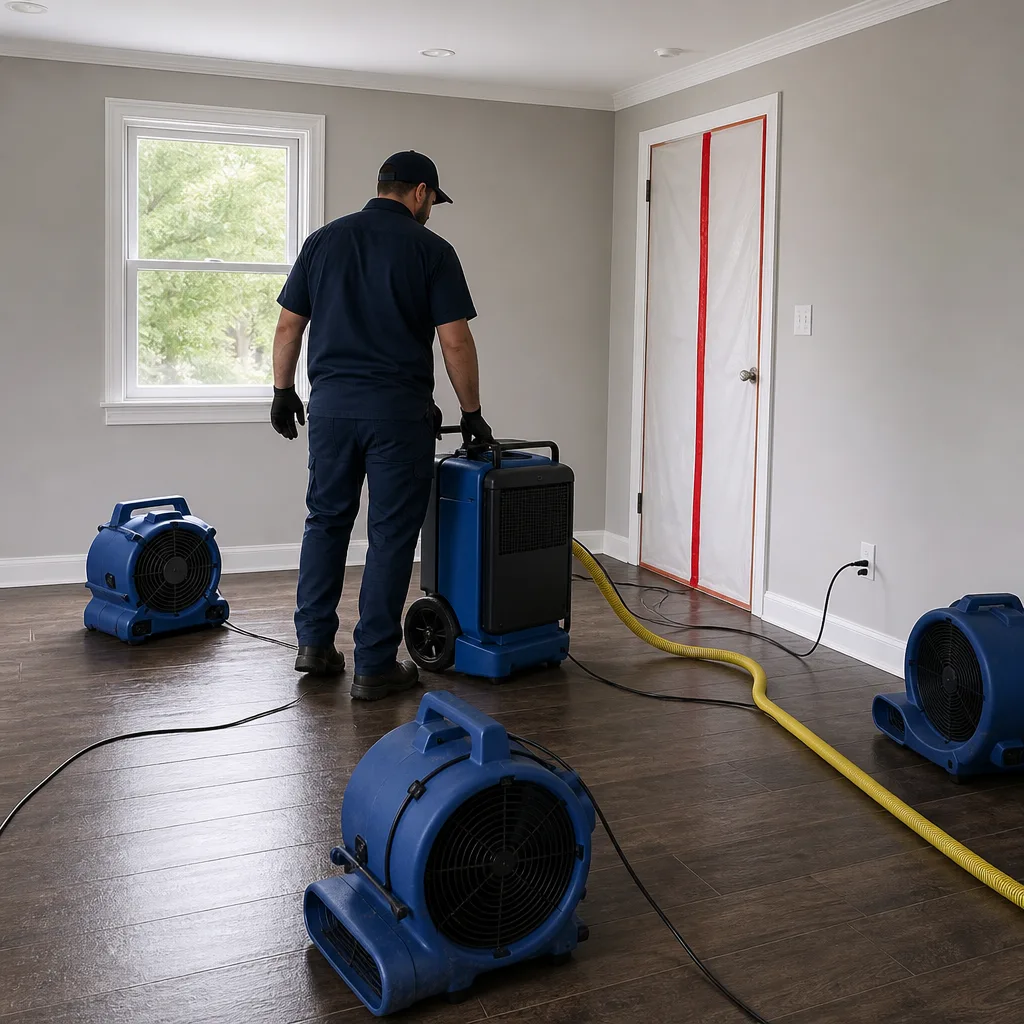
The single biggest misunderstanding in water damage restoration is that a dehumidifier is a dehumidifier. It is not. The $220 unit you bought at the hardware store moves about 30 pints of moisture per day when conditions are ideal. A commercial LGR dehumidifier from Phoenix or Dri-Eaz moves 130 to 150 pints per day, and it does so at a dew point low enough to pull moisture out of drywall, plaster, and wood rather than just out of the air. The consumer unit dries the room. The commercial unit dries the room and the building materials inside it.
This distinction matters more in Hempstead than it does in newer Long Island developments because so many of our homes are old enough to have absorbed decades of seasonal humidity into their framing. A wall cavity in a Hempstead colonial that has seen 70 summers of Nassau County humidity does not give up its moisture easily, which is why seasonal damage restoration care for Hempstead homes matters year-round. When a pipe bursts or a water heater fails, that cavity fills. A consumer dehumidifier running for a week might drop the room’s relative humidity to 50 percent, which feels dry. But the framing inside the wall is still at 22 to 28 percent moisture content, and mold begins colonizing wood at 20 percent. The homeowner believes they have solved the problem. The moisture meter says otherwise.
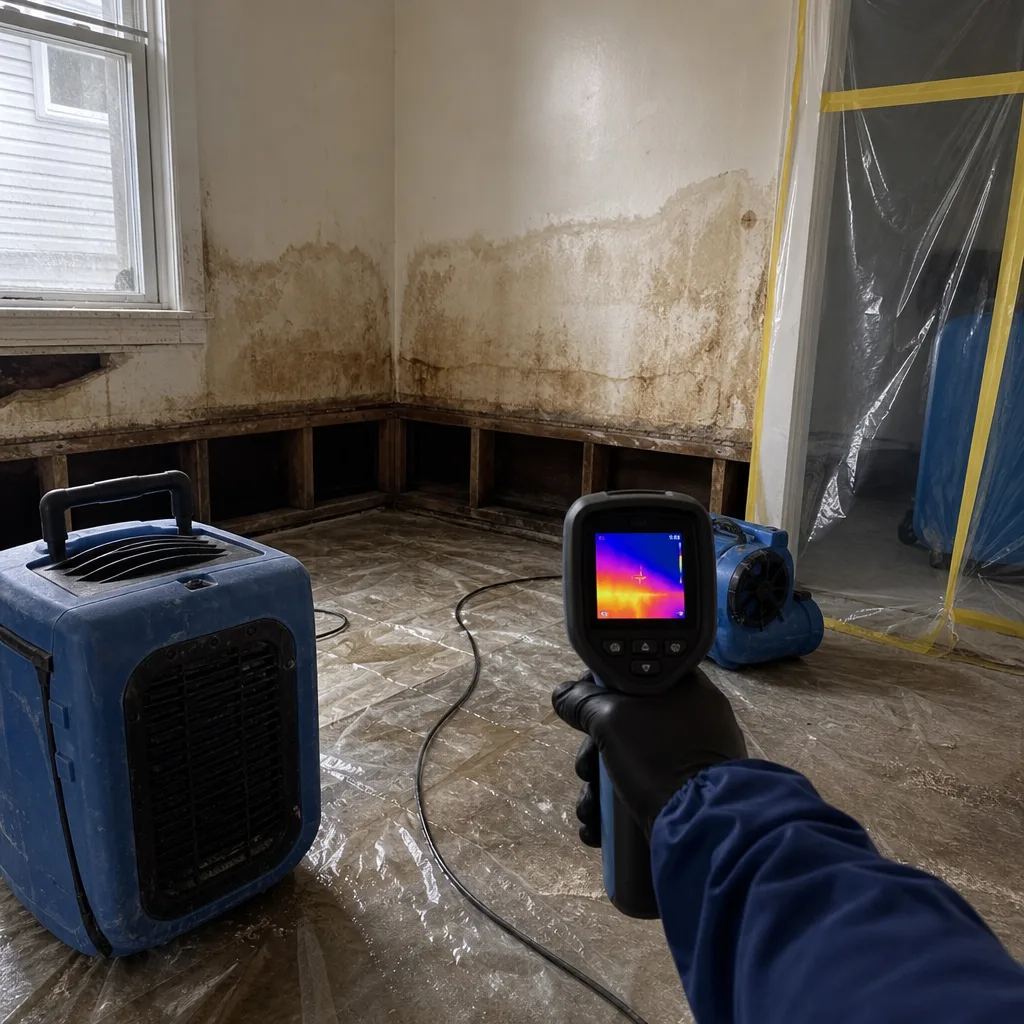
Professional restoration also brings tools a DIYer simply does not own: thermal imaging cameras that find water inside walls without opening them, penetrating moisture meters that read wood moisture content at depth, and air movers that create directed airflow across surfaces. These are not luxuries. They are the difference between drying what you can see and drying what you cannot. We have walked into Hempstead homes where a homeowner ran three box fans and two consumer dehumidifiers for five days, then called us when the baseboards started swelling. The moisture meter read 34 percent in the sill plate. The remediation cost was three times what extraction and drying would have cost on day one.
In our experience as Tidemark Water Damage Hempstead home restoration professionals, the tide mark, the line water leaves on a wall, is the first thing we look for on every job. A homeowner sees a puddle. A technician sees the line and knows how far the water actually traveled and where it is hiding now.
What a Well-Equipped DIYer Can Genuinely Handle
Let us be clear: DIY has a legitimate place in water damage response. The first 20 minutes often matter more than the next 20 hours, and a homeowner who acts fast with the right steps can prevent significant damage. Here is what a genuinely well-equipped DIYer can handle in a Hempstead home.
The Clean-Water, Small-Spill Scenario
If a supply line to a washing machine bursts and you catch it within minutes, if the water is clean municipal water that has not touched a drain or a floor with old carpet padding, and if the affected area is under 50 square feet, you can handle this yourself. The steps:
- Stop the source immediately. Shut the valve. Know where your main shutoff is before anything happens, not after.
- Extract within 30 minutes. Use a wet/dry vacuum rated for liquids. Do not use a household vacuum. Extract every visible puddle. Lift carpet edges if the carpet is involved and extract the padding underneath or remove it.
- Remove wet materials that will not dry. Carpet padding goes to the curb. It delaminates and becomes a mold farm. Wet papers, cardboard boxes, and soft furnishings that soaked through should be photographed for insurance, then discarded.
- Set up drying for 48 hours minimum. Run your consumer dehumidifier at its highest setting. Run box fans or air movers pointed at the floor and baseboards, not at the ceiling. Keep interior doors open.
- Check thoroughly at 48 and 72 hours. Run your hand over the drywall. If it feels cool or damp anywhere, if you smell must, if paint begins to bubble or baseboard pulls away from the wall, water traveled deeper than you thought. Stop and call a professional.
The Honest Limits
A DIYer cannot dry inside a wall cavity. A DIYer cannot dry beneath tile or laminate flooring. A DIYer cannot verify moisture content in structural wood. A DIYer cannot measure whether the floor joists under a wet kitchen are at 14 percent or 26 percent moisture content. These are not skill limitations; they are equipment limitations, and no amount of effort overcomes a missing moisture meter or thermal camera. If the water touched baseboards, if it seeped under a threshold, if it ran beneath kitchen cabinets or a vanity, you are past the DIY zone even if the visible area is small.
Where Professional Tools Become Non-Negotiable
Professional restoration exists because hidden water destroys homes. The moment water enters a wall, floor, or ceiling assembly, you cannot see the full extent of the problem, you cannot verify drying is complete, and you cannot prove to an insurance company that appropriate mitigation was performed. The line is not about effort or skill. It is about whether you have the equipment to find and dry water you cannot see and the documentation to prove you did.
Call a professional when any of these conditions apply:
- Water contacted drywall, plaster, or baseboards. These materials wick water upward. What looks like a puddle at floor level often means water traveled 8 to 18 inches up inside the wall through capillary action.
- The water source is anything but clean. A sewer backup, a dishwasher drain line, a sump pump failure that brought groundwater into the basement: all of these carry bacteria that make the water Category 2 or Category 3. Professional remediation for Water Damage Restoration in Hempstead includes sanitization, not just drying.
- The affected area exceeds 50 square feet or spans multiple rooms. Consumer drying equipment cannot handle the moisture load of a whole-room event.
- Water traveled beneath flooring. Laminate traps water underneath and must come out. Hardwood wicks water into the tongue-and-groove joints. Tile over wood subfloor holds water against that subfloor for weeks.
- You have a finished basement. Finished basement walls have framing, insulation, and drywall that hold water. The vapor barrier behind that insulation creates a perfect mold environment. This is the most common source of expensive Hempstead mold remediation projects we see.
- It has been more than 24 hours since the event. At that point, microbial growth has begun in the materials that stay wet. Drying is no longer enough; you need assessment for contamination.
Professional restoration also brings documentation. When we arrive at a Hempstead home, we photograph every affected area before work begins, take moisture readings throughout the drying process, and photograph the completed cleanup before we leave so the homeowner sees exactly what was done and how it was left. If an insurance claim is involved, that documentation is the paper trail the adjuster expects. A homeowner who rented a dehumidifier from a hardware store cannot produce that.
The Insurance Implication of DIY Restoration Attempts
This is the section most online guides skip, and it is the most expensive one to ignore. New York homeowner’s insurance policies contain language requiring the policyholder to take “prompt and appropriate action” to mitigate further damage after a covered loss. The key word is appropriate. If a DIY attempt is judged to have been inadequate, and the inadequate drying leads to mold growth, structural damage, or deterioration, the insurer can argue the additional damage was caused not by the original event but by the homeowner’s failed mitigation.
Here is how this plays out in the real world. A Hempstead homeowner’s water heater leaks on a Saturday night. They extract the visible water, run a consumer dehumidifier for four days, and call their insurer on Monday. The insurer sends an adjuster who approves the claim. Two months later, the homeowner notices mold behind the baseboard in the hallway outside the utility room. The insurer opens a second claim. The adjuster asks what drying was performed. The homeowner says they ran a dehumidifier. The insurer’s mold claim language may exclude ensuing mold damage when the insured failed to properly mitigate, and now the homeowner is in a denial-and-appeal process while mold is spreading in the wall.
The counter-argument to all of this is that a professional restoration bill is larger than a dehumidifier rental. That is true in the short term. But the insurer pays for professional mitigation under the same policy language that punishes inadequate DIY, and the professional’s documentation actually protects the claim. When a Mold Remediation in Hempstead team records moisture readings before and after drying, the insurer sees evidence of appropriate mitigation. The claim is smoother. The homeowner’s liability is covered. The alternative is betting your house on a tool that moves one-fifth the moisture of the professional standard.
We have seen this pattern enough times to say plainly: the most expensive words in restoration are “at first it didn’t seem that bad.” In Hempstead’s older homes, what seems like a surface problem is very often a cavity problem, and the insurance company will hold the homeowner to a professional standard whether the homeowner understands it or not.
Calculating the True Cost Comparison
The comparison that matters is not the professional invoice versus the DIY supply receipt. It is the total lifetime cost of each path, including the cost of getting it wrong. Here is what that calculation actually looks like for a typical Hempstead water event, a washing machine supply line failure affecting a 100-square-foot laundry room and the adjacent hallway.
DIY path: Wet/dry vacuum ($90, but you may already own one), consumer dehumidifier rental at $45 per day for 7 days ($315), two box fans ($60), new carpet padding ($80), spray bottle of antimicrobial ($25). Out-of-pocket: roughly $560, plus 6 to 10 hours of your own labor. Outcome if it works: saved money. Outcome if it fails: mold behind the baseboard, which in a Hempstead home with plaster walls typically requires $6,000 to $15,000 in remediation and reconstruction, potential insurance claim complications, and up to two weeks of disruption.
Professional path: Extraction, setup of commercial LGR dehumidifier and air movers, daily monitoring with moisture meters, written drying log, final verification. Typical cost for a 100-square-foot Category 1 water loss in Hempstead: $1,800 to $3,200, most of which is covered by insurance after your deductible. Duration: 3 to 5 days. Outcome: verified dry, documented, warrantied by a 365-Day Done Right Promise.
The math changes when you factor in the risk-adjusted cost. If a DIY attempt has a 60 percent success rate on a borderline job, the expected cost of the DIY path is the $560 plus 40 percent of the $6,000 to $15,000 failure cost, which is $2,400 to $6,000 in expected additional loss. That makes the true risk-adjusted DIY cost $2,960 to $6,560 on a job a professional would have handled for $1,800 to $3,200. In Hempstead, where homes routinely have finished basements and plaster walls, the failure rate is higher than the national average because the building materials are less forgiving.
Then add time. Your time has a dollar value. If you take a day off work to handle the extraction and drying setup, that day costs you income. If the DIY attempt fails, you lose additional days managing the professional remediation anyway, now with more damage than you started with. The hidden cost of under-drying a wall cavity with a consumer dehumidifier routinely exceeds the cost of professional service by a factor of three, as we noted at the top. That is not marketing language. That is the arithmetic of moisture content in framing lumber.
Pet and Child Safety in DIY Restoration
Homeowners with children and pets face a safety question in DIY restoration that most guides do not discuss: consumer-grade antimicrobials and mold-killing sprays are not all safe for occupied spaces. Many contain quaternary ammonium compounds or sodium hypochlorite that require the treated area to be vacated and ventilated during application and drying. A homeowner who sprays a mold-killing product on a basement wall at 10 a.m. while a toddler naps upstairs and a dog sleeps in the next room has introduced a chemical into the indoor air environment without the ventilation and containment a professional would use.
Professionals working to the Cedarwell Care Promise operate under a different product standard. Where there is a choice between products, we use pet-safe drying agents and cleaning products specifically because our customers have families and animals in the house. That is a standard larger national franchises do not always match. We name what will be protected and how: shoe covers go on at the door; drop cloths cover the floor before the first piece of equipment comes in. When we run drying equipment during school hours, we use lower-decibel settings where possible. These are not upsells; they are the standard.
For the DIYer, the safety guidance is simple. Read the label on any antimicrobial or mold-killing product before you buy it. If the label says to vacate the space, ventilate during application, or keep out of reach of children and pets, that product does not belong in a home with a crawling baby or a dog that licks baseboards. If you would not wipe down a high chair with it, do not spray it on a wall in a family home. And if the water damage involves sewage or floodwater, DIY cleaning products cannot adequately sanitize Category 3 contamination. That requires professional equipment and professional judgment.
Hempstead Housing Stock: What Your Walls Are Hiding
Hempstead is not a new-construction town. Walk the blocks near Hofstra, up around the Turnpike corridor, or through the neighborhoods south of Hempstead station, and you are looking at homes built in the 1920s, 1930s, and 1950s. Those homes contain building materials that change every rule in this guide.
Plaster over wood lath absorbs water differently than drywall. It is denser, slower to wet, and much slower to dry. A drywall wall that got wet for an hour might dry in three days with good air movement. A plaster wall that got wet for an hour can hold moisture against the lath for two weeks, and the lath is nailed directly to the studs, which means the framing absorbs that moisture. Consumer dehumidifiers are not designed to pull moisture out of a plaster wall assembly. That takes commercial drying equipment with enough capacity to lower the dew point in the room below the moisture content of the plaster, and it takes time, typically 5 to 7 days with daily verification.
Hardwood floors are another Hempstead variable. Many homes still have original oak or maple floors over wood subfloors. Water that runs across a kitchen floor and under the threshold into the dining room does not stay on the surface. It wicks into the joints, travels along the subfloor, and pools in the joist bays below. A homeowner can dry the surface of the floor and feel good about it. The subfloor underneath is still at 30 percent moisture content. Six months later, the boards cup, the subfloor swells, and the floor needs sections replaced, none of which is covered by insurance because the damage is no longer directly traceable to the original event.
Finished basements deserve their own discussion. Hempstead basements finished with drywall over furring strips, insulation, and a poly vapor barrier create a drying environment that is nearly impossible for a consumer setup. The vapor barrier holds moisture against the foundation wall. The insulation wicks it. The drywall hides all of it until the mold is established. We regularly see basements where a homeowner ran a dehumidifier for a week after a sump pump failure, and the dehumidifier removed enough moisture to make the room feel dry while the wall cavity behind the drywall was still saturated. That is the $40,000 mold remediation story we mentioned at the top, and it is the most preventable one in restoration.
Specific Scenarios: When to Keep Going DIY and When to Stop
Let us walk through the most common situations Hempstead homeowners face, with the exact decision point in each.
Scenario 1: Overflowing Toilet in a First-Floor Bathroom
If the water is clean, the overflow was brief, and the water stayed on tile, extract it, dry the floor, and monitor. You are fine. If the water ran under the vanity, seeped through the floor into the ceiling below, or the toilet backed up as opposed to overflowed, stop. Water under a vanity leads to floor damage you cannot see. Water through a floor means the ceiling cavity below is now wet, and a consumer dehumidifier cannot dry a ceiling cavity from above. This is where professional moisture mapping earns its cost.
Scenario 2: Water Heater Failure in a Basement
A leaking water heater in an unfinished basement with a concrete floor is sometimes a DIY situation if you catch it fast and the water stays on concrete. Extract, run a dehumidifier, position fans at the base of any finished walls the water touched, and monitor. If the basement is finished, or if the water ran toward finished walls, stop immediately. Every finished basement wall that got wet at the base is now a mold risk behind the drywall, and the clock is running. This is the scenario where prompt professional action most clearly pays for itself.
Scenario 3: Dishwasher Supply Line Leak
Dishwasher leaks happen slowly, often over days or weeks before they are noticed, because the leak is under the appliance. By the time you see water on the kitchen floor, the subfloor under the dishwasher has been wet for a long time, and the cabinet base is swelling. This is never a DIY job. The subfloor under a dishwasher cannot be dried from above. It requires removal of the dishwasher, inspection of the subfloor and the joists below, and likely removal of shoe molding or baseboard to create airflow. If the kitchen is over a finished basement, that ceiling below is also involved.
Scenario 4: Sump Pump Failure After a Heavy Rain
Sump pump failures bring groundwater into the basement. Groundwater is Category 2 water, not clean, because it has traveled through soil. It belongs to professional Water Damage Restoration in Hempstead with sanitization as part of the scope. DIY extraction and drying will not adequately sanitize a space that groundwater touched, and the insurance language around sewer backup and sump failure often requires professional documentation to establish coverage. If your policy has a water backup endorsement, all the more reason to have professional records.
Scenario 5: Small Kitchen Fire
Fire damage is different from water damage, but the DIY question still applies. A small, contained kitchen fire that did not involve the structure, that the fire department did not respond to, and that left only surface soot on walls and ceiling, can sometimes be cleaned by a homeowner with proper soot sponges and ventilation. The moment the fire department responded and used water suppression, you now have a water damage event layered on top of a smoke damage event, and a household cleaning approach will not reach smoke residue inside wall cavities or behind cabinets. Soot is acidic; it etches surfaces over time. See our Fire Damage Restoration in Hempstead page for what professional smoke and soot remediation involves.
Common Mistakes to Avoid
- Treating a consumer dehumidifier as equivalent to professional drying equipment. The capacity gap is 5x, and the ability to pull moisture from building materials is the difference between drying a room and drying a wall assembly.
- Stopping the drying process when the room feels dry. Surface dryness and structural dryness are different measurements. Only a penetrating moisture meter reads what matters.
- Using a household vacuum to extract water. This ruins the vacuum and creates an electrical hazard. Wet/dry vacuums are rated for liquids; household vacuums are not.
- Treating all water as equal. Clean water from a supply line, gray water from a dishwasher or washing machine, and black water from a sewer backup or groundwater intrusion require entirely different safety and remediation protocols.
- Delaying the call to insurance while attempting DIY. Insurance policies have reporting deadlines and often require professional mitigation for coverage to apply fully. Delaying the call can cost more than the remediation itself.
- Ignoring the baseboards. If baseboards got wet, the wall behind them got wet. In a Hempstead plaster home, that means the lath and studs are wicking moisture, and you cannot verify the drying without professional tools.
- Spraying consumer mold-killing chemicals in a house with children and pets. Many of these products are not formulated for occupied spaces. The cleanup should not create a new hazard, especially while a family is living in the home.
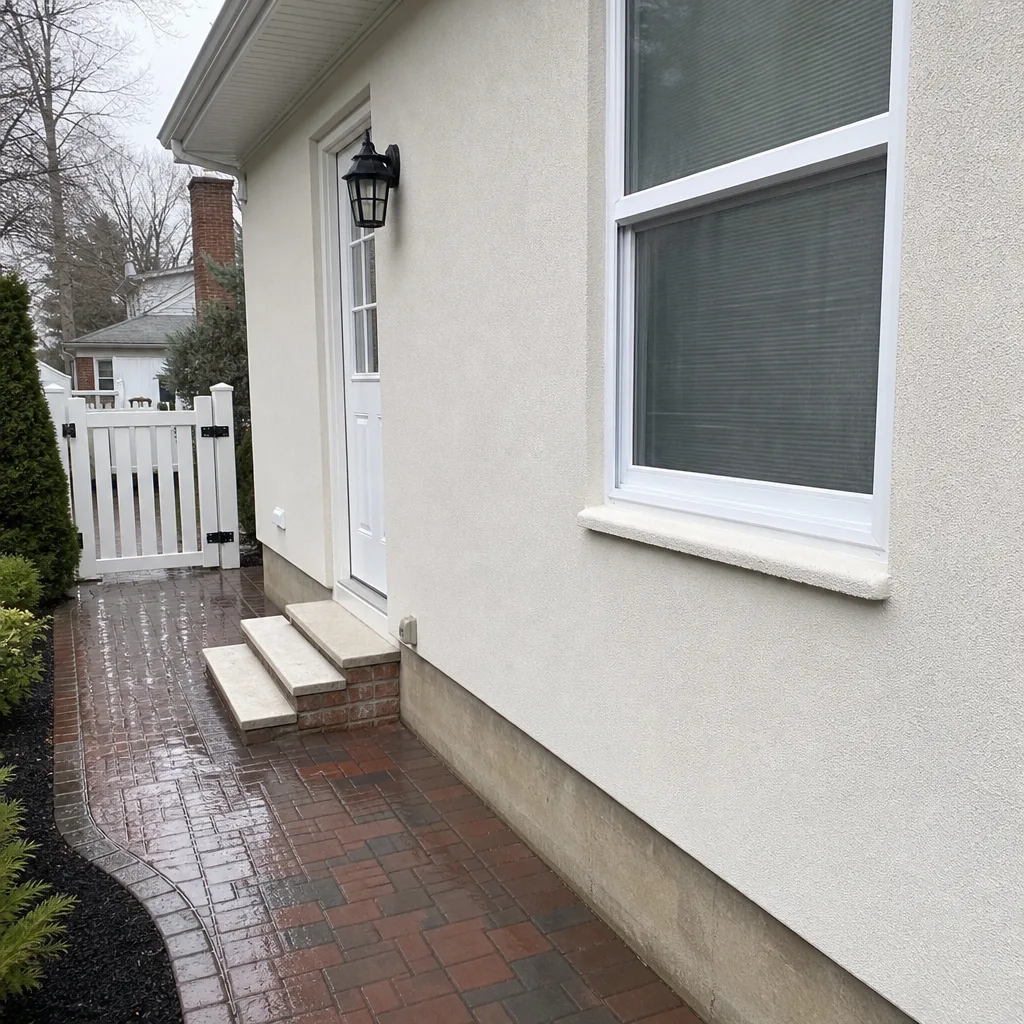
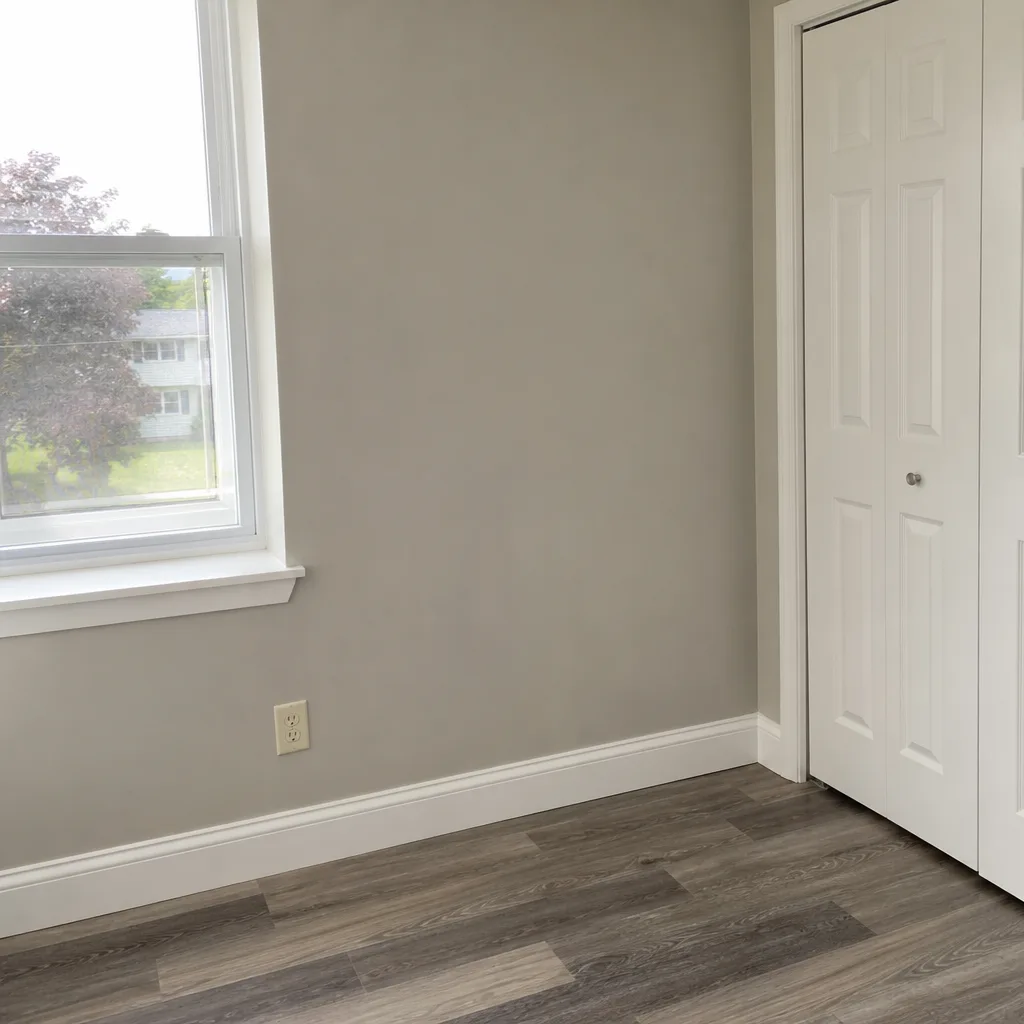
See the difference
 Before
 After
After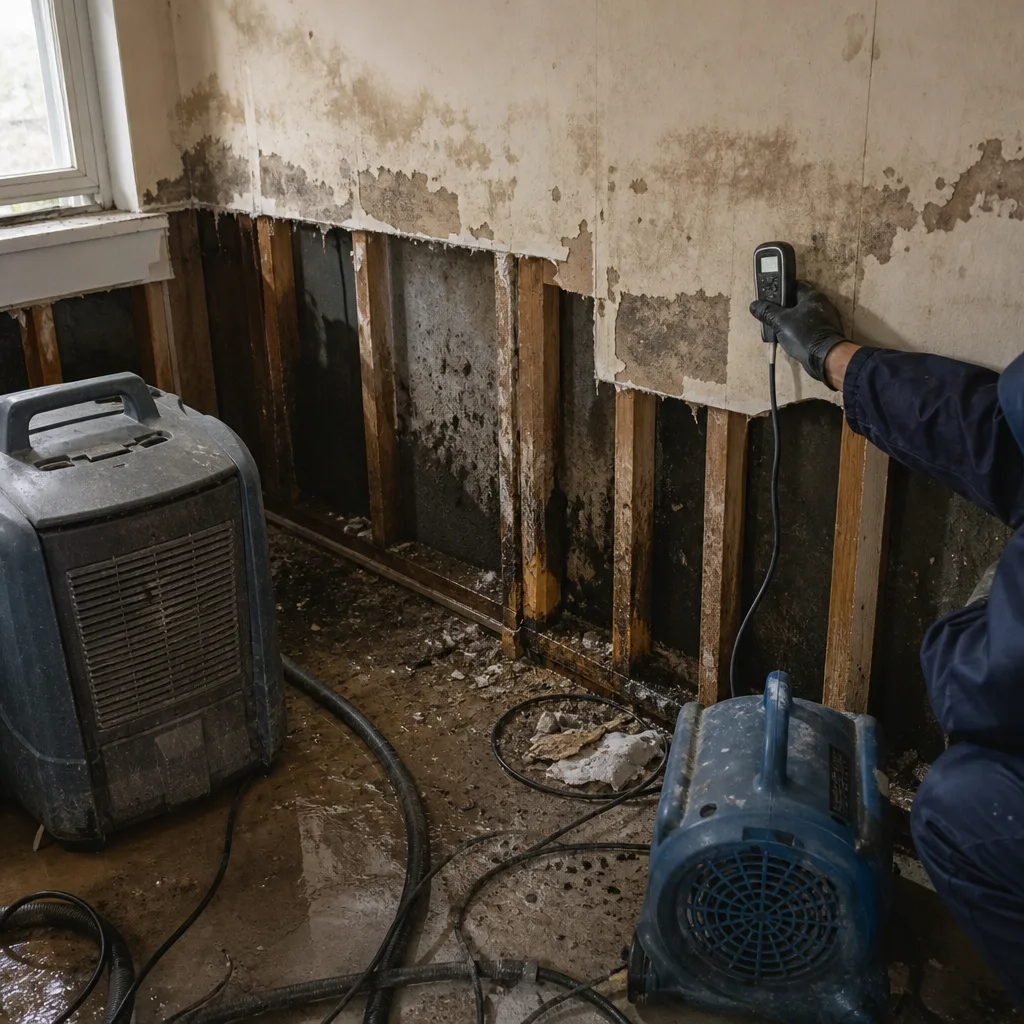 Before
 After
After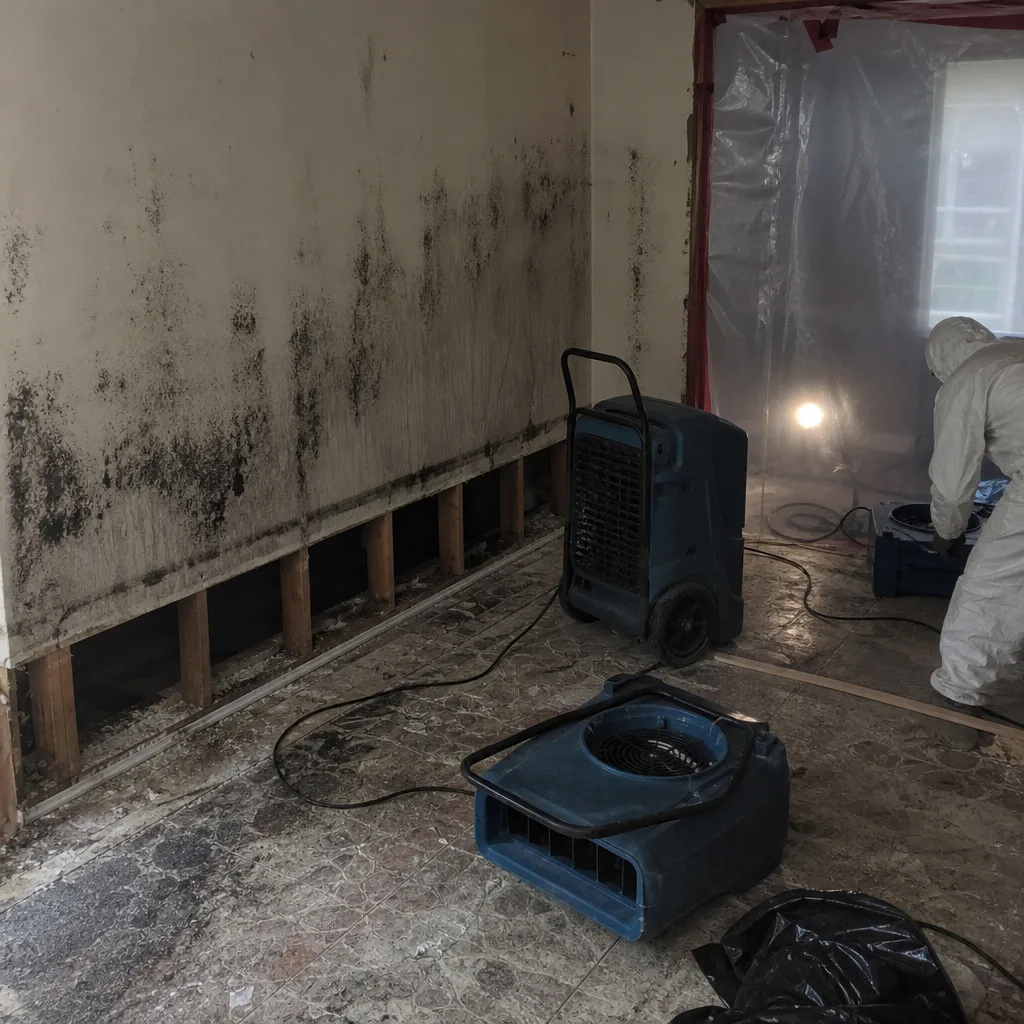 Before
 After
AfterWhen to Call a Professional
Call a professional the moment water touches a finished wall, a finished floor that can trap water beneath it, or travels into a space you cannot see into. Call a professional the moment the water source is anything but clean. Call a professional if it has been more than 24 hours, if a child or a pet has a respiratory condition and mold risk is a concern, or if you have any doubt about whether the drying is complete. Doubt is expensive in restoration. Tidemark Water Damage Hempstead offers free estimates in Hempstead, is independently owned and operated to the Cedarwell Care Promise, and every job includes a written price before any work starts. Call (516) 559-4877 and a real person will answer, 24 hours a day, 7 days a week.
Frequently Asked Questions
You can use it for very small, contained water events where the water did not penetrate walls or flooring and you caught the spill within minutes. A consumer dehumidifier removes about 30 pints of moisture per day from the air; a commercial LGR dehumidifier removes up to 150 pints per day and operates at a dew point that pulls moisture out of drywall, plaster, and wood. In a Hempstead home with plaster walls, the consumer unit is not capable of drying the wall assembly.
Tidemark Water Damage Hempstead answers the phone 24 hours a day, 7 days a week with a live person, not a voicemail or a callback queue. Water damage does not wait for business hours, and neither do we. Same-day dispatch is available in Hempstead and the surrounding area.
Most New York homeowners policies cover sudden and accidental water damage, such as a burst pipe or water heater failure. Gradual leaks, seepage, and flooding are typically excluded unless specific endorsements are in place. Your policy requires prompt and appropriate mitigation, and professional documentation protects your claim. We photograph every step and can coordinate directly with your adjuster.
Consumer mold-killing sprays often contain chemicals that require vacating the treated space and ventilating during application. If you would not use the product around a crawling baby or a dog that licks surfaces, do not use it in a family home. Professional remediation under the Cedarwell Care Promise uses pet-safe products where a choice exists, and we contain the work area so the rest of the house remains safe for your family.
If the mold is on a non-porous surface like tile or a sink basin, a careful cleaning may be sufficient. If the mold is on drywall, plaster, baseboards, carpet, or wood, those materials are porous, and what you see on the surface is usually a fraction of what is growing beneath. Mold in a wall cavity in a Hempstead plaster home is not a cleaning problem; it is a removal problem. Professional assessment with moisture mapping is the only way to know which one you are dealing with.
A small Category 1 water loss in one room typically runs between $1,800 and $3,200 in Hempstead, including extraction, commercial drying equipment, monitoring, and documentation. Finished basements and multi-room events run higher based on the square footage and materials involved. You receive a written price before any work starts, and estimates are free. Call (516) 559-4877 for an exact quote on your situation.
The Bottom Line
The DIY-versus-professional question in damage restoration is not about how handy you are. It is about equipment capacity and liability. If the water stayed on a hard surface, you caught it immediately, and the affected area is small and simple, DIY is a legitimate first response. If the water touched drywall, plaster, flooring, or anything you cannot see behind or underneath, the equipment gap matters and the insurance exposure is real. In Hempstead’s older homes, the hidden cost of under-drying a wall cavity with a consumer dehumidifier routinely exceeds the cost of professional service by a factor of three. The winning strategy is not choosing one path over the other. It is knowing exactly where the line is, and crossing it on the right side before the damage compounds. For more guides & resources on protecting your Hempstead home, explore our blog.
Written by Rick Sumner, Owner at Tidemark Water Damage Hempstead, serving Hempstead since 2006.