
Last updated October 16, 2026
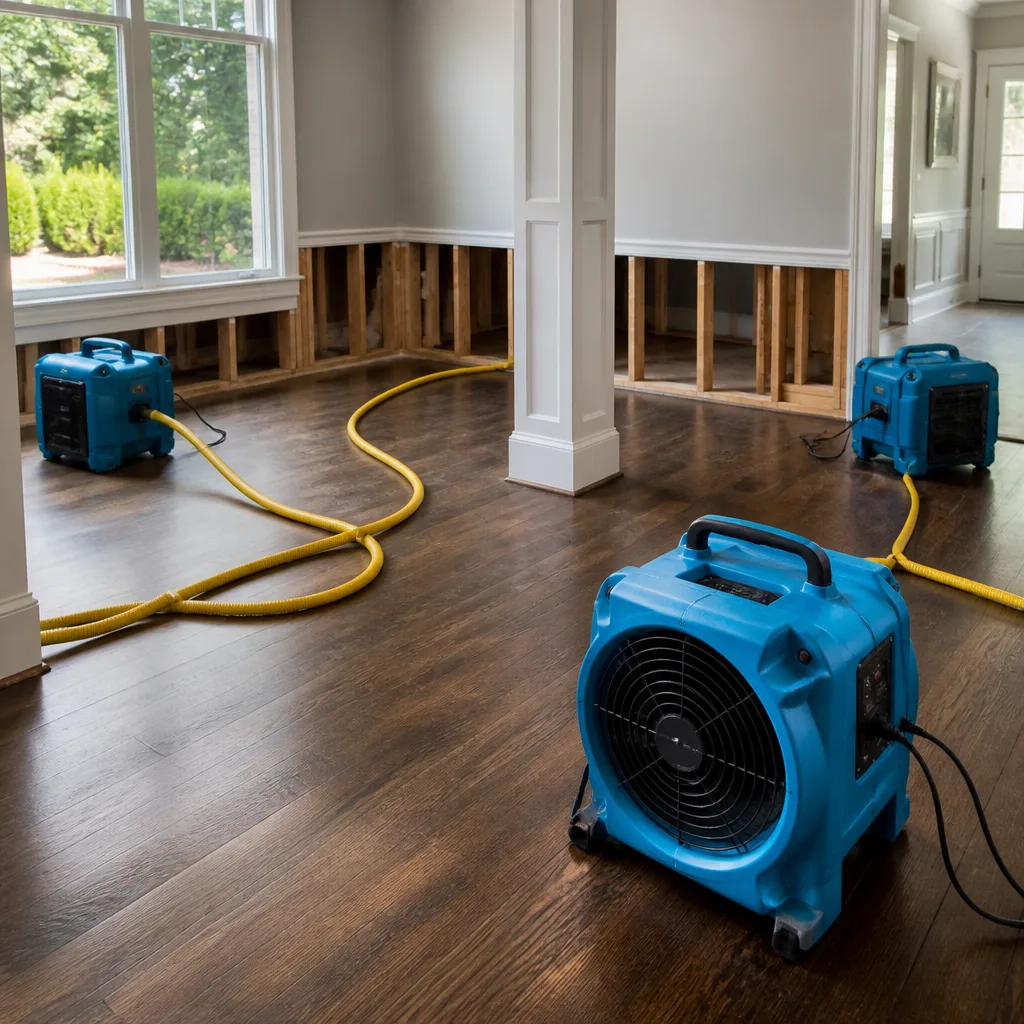 Water damage drying
 Fire & smoke cleanup
 Mold remediation
 Storm response
 Sewage cleanup
 Reconstruction
Free visual inspection and a written scope of work before any mitigation begins - photos, moisture readings, and drying logs go in your claim file
The scope we write is the scope we bill. Anything new gets shown to you, in writing, before we touch it.
Get your free estimateDamage Restoration Warning Signs: A Hempstead Homeowner’s Reference Guide
A white chalky stain on your basement wall is not a cosmetic problem. It is crystallized mineral salt that water carried through your foundation, which means water is actively moving through that wall right now, and the stain is simply where it evaporated. In Hempstead, where nor’easters push groundwater up against foundations and summer humidity settles into basements for weeks at a time, homeowners routinely misread these signals. What looks like old concrete is often a live water event still unfolding. This guide teaches you how to tell the difference between cosmetic aging and active damage that is still moving through your home, and it does it with the same eye our technicians use on every Tidemark Water Damage Hempstead home inspection.
Quick Answer
The most commonly misread water damage warning signs in Hempstead homes are efflorescence (white mineral staining) on basement walls, paint bubbling on drywall, swollen door frames, baseboards pulling away from walls, rafter staining in attics, and soft spots in vinyl flooring. Each of these indicates where water has traveled and is often still traveling. If you notice more than one of these signs in the same area of your home, call a professional restoration company for a written assessment before the damage migrates further.
Restoration work we handle
Table of Contents
- A Visual Field Guide to Six Misread Warning Signs
- The Smell Test: Humidity vs. Active Mold
- Outside Warning Signs That Point to Interior Damage
- Same-Day Call vs. Scheduled Inspection: A Triage Framework
- How to Photograph and Timestamp Warning Signs for Insurance
- Why Hempstead Homes Are Particularly Vulnerable
- Common Mistakes to Avoid
- When to Call a Professional
A Visual Field Guide to Six Misread Warning Signs
Every one of these six signs has been dismissed by a Hempstead homeowner at some point as “just how the house is.” Our technicians have walked into basements where efflorescence covered half a wall and the homeowner said “that’s been there for years.” It had. That was the problem. Here is what each sign actually tells you about where water has been and where it might be heading.
1. Efflorescence on Basement Walls
Efflorescence is a white, chalky, or sometimes slightly fuzzy mineral deposit that forms on poured concrete, block, or brick walls. It forms when water moves through the wall material, dissolving minerals inside it, then evaporates at the surface and leaves those minerals behind. The stain is not the problem. The stain is evidence that water is traveling through your foundation wall. In Hempstead, where the water table sits high and soils are often sandy loam over clay, hydrostatic pressure against basement walls is a persistent fact of life. A wall that keeps producing new efflorescence after you brush it off is a wall that is still actively moving water. Look closely at the pattern. Fresh efflorescence feels powdery and can be wiped away with a finger. Old, hard deposits have been there long enough to crystallize solid. If you see bright white patches appearing alongside dull gray ones, water is currently at work.
2. Paint Bubbling or Peeling on Drywall
Paint blisters, bubbles, and peels when moisture pushes up from behind and breaks the bond between paint and drywall. This is different from flaking caused by age or poor prep, which usually produces thin chips that fall away dry. Moisture-driven peeling tends to create larger, softer bubbles that feel pliable if you press on them (do not press on them; you can break through into a mold colony). Check the shape and location. Bubbling near floor lines, under windows, or along ceiling corners follows water’s path. In Hempstead homes with pex or copper supply lines running through interior stud cavities, a paint bubble can be the first visible sign of a pinhole leak that has been quietly wetting insulation for weeks.
3. Swollen Door Frames
Wood door frames absorb ambient moisture and swell, but active water damage produces a different pattern. Seasonal humidity swells wood evenly and it usually settles back down. Water damage swells the bottom of the frame first, where liquid water or saturated subfloor material makes contact. Look for a door that sticks at the bottom but clears at the top, or a frame that has pulled away from the wall at the floor line. In split-level and ranch homes common throughout Hempstead and East Meadow, a sticking door on the lower level often traces back to a slab leak or a failed perimeter drain, not humidity. If the door was fine last month and sticks now, do not plane it down and move on. That wood is telling you something about what is happening under your floor.
4. Baseboard Separation
Baseboards pull away from the wall for two reasons: the wall behind them has swelled with moisture, or the floor beneath them has settled from water saturation. When the gap between baseboard and floor opens up unevenly, or when caulk beads crack and peel away in a specific section rather than uniformly around the room, water is typically involved. In Hempstead basements finished with drywall and painted trim, baseboard separation is often the place where wicking water from floor-level flooding shows up first. The drywall soaks water up from the bottom, swells, and pushes the baseboard outward. This can happen days or even weeks after a flood event, especially if the drying was incomplete. If you had any kind of water event and your baseboards are now showing gaps or cracking caulk, the original drying did not finish the job.
5. Attic Rafter Staining
Dark stains on attic rafters, roof sheathing, or the underside of ridge boards are not necessarily old damage. They tell a story. Staining that forms in streaks along rafter edges usually marks the path of condensation that forms when warm, humid air from the house leaks into a cold attic space. Staining that appears as broad, dark patches near roof penetrations or valleys often indicates an actual roof leak. Gray-black staining with a distinct pattern of small dots can be mold growing on wood that has stayed damp long enough. In Hempstead homes built before attic ventilation standards were tightened, winter condensation is a chronic source of attic moisture. The water condenses on cold nails and sheathing, drips onto insulation, and compresses it over time. Compressed insulation loses its R-value, making the condensation worse. It is a cycle, and the stain is the evidence it has been running for a while.
6. Soft Spots in Vinyl Flooring
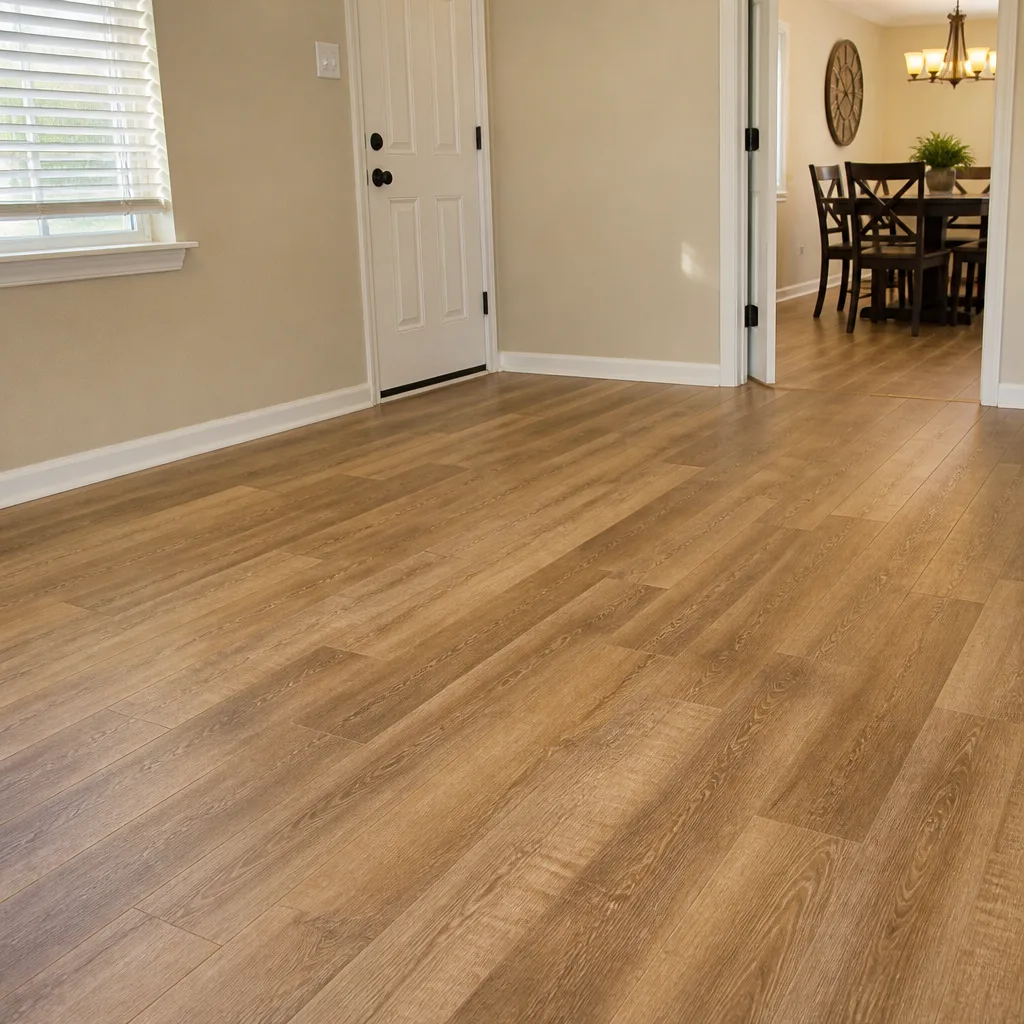
Vinyl plank and sheet vinyl hide water better than almost any other flooring material. Water can seep underneath through seams, edges, or from below through a subfloor, and the vinyl itself stays intact on top. What you feel is a soft, spongy, or slightly bouncy section of floor that gives underfoot where the rest of the floor is firm. In kitchens and bathrooms this often means a supply line or drain fitting has been leaking inside a cabinet or wall cavity and water has traveled under the flooring. In basements it usually means groundwater is pressing up through the slab or seeping in at the foundation wall and collecting under the vinyl. Soft spots mean the subfloor or the slab below has already absorbed water. The longer vinyl stays down over a wet subfloor, the more likely mold takes hold in the dark, warm space between layers.
The Smell Test: Humidity vs. Active Mold
Long Island humidity is real, and so is the musty basement that comes with it. But there is a measurable difference between a basement that smells like a basement and a basement that is actively growing mold. You can run this test in about ten minutes without touching anything. First, close all doors and windows in the area and leave it that way for at least an hour. Then walk in and take one deep breath through your nose. A damp, earthy, occasionally mineral smell that you associate with “old house” is typically high relative humidity and normal building materials. An active mold smell is sharper, sour, sometimes described as “wet socks left in a gym bag.” It often has a faint chemical note. Now take a clean, dry cotton cloth and set it flat on a surface in the room for five minutes. Pick the cloth up by its edges. If it feels noticeably damp or humid to the touch, the room’s humidity is high enough to support mold growth even if you cannot see any. If the cloth stays dry but the sharp smell persists, you are likely smelling a specific wet area, not ambient humidity. In our experience in Hempstead basements, the smell test works best in spring and fall, when outdoor humidity is moderate and the contrast between house air and outside air is clearest.
Outside Warning Signs That Point to Interior Damage
Some of the most useful warning signs are outside the house, where water is still making its first moves. Reading these signs correctly saves you from discovering the interior damage months later, after it has already soaked into framing or drywall.
Downspout Discharge Patterns
Stand at each downspout during a moderate rainstorm and watch where the water goes. It should flow away from the foundation and discharge at least four to six feet from the house. If you see water pooling against the foundation, splashing back onto the siding, or vanishing into a depression near the wall, that water is re-entering the soil directly against your foundation. In Hempstead, where many homes sit on relatively flat lots with minimal slope, downspout discharge is a leading contributor to basement moisture. A downspout that can’t push water away is a gutter system that is feeding your basement a little water every time it rains. The fix is usually simple: extend the downspout, add a splash block, or re-grade the soil. The restoration is not simple if the water has been entering for years before anyone noticed.
Soil Settlement Against the Foundation
Walk the perimeter of your home and look at the soil line where it meets the foundation. Healthy grade slopes away from the house at roughly six inches of fall over the first ten feet. Soil that has settled into a depression against the foundation creates a catch basin. After rain, that depression holds water and gives it time to seep down along the foundation wall. Look for a line of darker soil, moss, or vegetation that grows more lushly against the house than elsewhere in the yard. That is a wet zone. In Hempstead neighborhoods with mature trees, root systems can also push soil up against foundations, reversing the slope over time. The fix is re-grading the soil or adding fill to restore positive drainage. The warning sign to look for indoors is efflorescence or dampness on the interior wall that lines up with the wet exterior zone.
Shingle Granule Loss Patterns
Asphalt shingles shed granules as they age, and some granule loss in gutters is normal. What is not normal is a concentrated pattern: granules accumulating in one downspout, a thick stripe of granules at the base of one wall, or bare, shiny patches on shingles directly above the attic. Unusual granule loss in one area means the roof deck is getting wet and the shingles are degrading faster in that spot. That water is entering the attic, where it shows up eventually as rafter staining or wet insulation. If you can safely see the roof from the ground, look for shingles that appear “bald” in patches on the same plane or near a valley. The interior warning signs will be in the attic directly beneath those shingles.
Same-Day Call vs. Scheduled Inspection: A Triage Framework
Not every warning sign is an emergency, and treating every stain as a crisis is its own kind of problem. What matters is whether water is still moving. Here is the triage framework we use to help Hempstead homeowners decide what needs a call right now and what can wait for a scheduled inspection, or read our DIY vs Professional Damage Restoration: The Hempstead Homeowner’s Decision Guide for more context.
- Water is visibly wet right now. If you can see standing water, dripping, or a surface that is damp to the touch, call same day. Active water is migrating, wicking, and saturating new material every hour it runs. This is the clear-cut emergency case. Shut off the water source if you can identify it and call a Water Damage Restoration in Hempstead company without delay.
- A smell is sharp, sour, or chemical, not just “basement.” An active mold colony in an enclosed space can spread spores through your HVAC system surprisingly fast. Same-day assessment is warranted, especially if anyone in the home has asthma, allergies, or respiratory sensitivity. Mold does not need to be visible to be a health problem.
- A stain or bubble grew in the last 72 hours. Take a photo with your phone, mark the edges with a pencil, and check it again in a day or two. If the mark has expanded past the pencil line, water is still moving behind that surface. Call for an assessment. Growth means active migration, not old damage.
- Multiple signs appear in the same room or the same wall cavity. A paint bubble above a baseboard that has separated, in a corner where the door frame is now sticking, is not three coincidences. It is one water event showing up in three places. Treat it as active until proven otherwise.
- Old, stable staining with no growth, no odor, and no dampness. If you brush off efflorescence and it does not return in a month, if the stain is dry, and if there is no associated smell, you are likely looking at historical damage. Schedule a regular inspection at your convenience. It does not need emergency attention, but it is worth documenting for insurance and future reference.
The distinction between “old stain” and “active leak” comes down to one question: is anything still changing? If the answer is yes, get eyes on it. A Mold Remediation in Hempstead professional can tell you definitively whether what you are seeing is active growth or old residue.
How to Photograph and Timestamp Warning Signs for Insurance
Insurance adjusters and restoration professionals look at photographs differently than homeowners do. We are trained in the visual documentation of water migration, and insurance has specific requirements for establishing when damage began and how it progressed. Here is how to document warning signs in a way that protects your claim.
- Photograph the sign in context first. Start with a wide shot that shows the stain, bubble, or separation in the context of the room. Then move closer for a mid shot that shows the sign in relation to nearby walls, floors, or windows. Finish with a close-up that shows texture. The sequence matters: wide, mid, close. It gives whoever reviews the photos a mental map of where the damage is.
- Include a reference object in at least one close-up. A quarter, a pencil, or a ruler held near the stain establishes scale. A stain that is one inch wide reads very differently than one that is ten inches wide, and without a reference object the viewer cannot tell.
- Mark the edges and photograph the mark. Use a pencil or a piece of painter’s tape to mark the outer edge of the stain or bubble. Photograph the mark itself. Return in 48 to 72 hours and photograph it again from the same angle. The second photo either confirms stability or proves active movement. This pair of photos is extremely valuable in an insurance claim because it establishes a timeline of documented observation.
- Capture the metadata. Your phone records the date and time of every photo automatically, but you can strengthen the record by turning on location services for your camera app. This embeds GPS coordinates in the metadata. For insurance purposes, avoid editing or cropping photos after taking them; some insurers question edited files. If you need to make a note, send the photo to yourself by email or text with a written description in the message body. That creates a time-stamped record with your own words describing what you saw.
- Photograph the “before” state of any repair you make. If you caulk a gap, reseal a baseboard, or wipe away efflorescence before documenting it, you have erased evidence. Always photograph first. If a repair becomes urgent because the leak is active, take your photos before shutting off the water or containing the leak. The documentation protects the claim even if the repair cannot wait.
In Hempstead, where many homes are insured through policies that require prompt mitigation of water damage, this kind of documentation can also demonstrate that you acted responsibly and quickly. The photos show the adjuster what existed before mitigation, which is exactly what they need to see.
Why Hempstead Homes Are Particularly Vulnerable
Hempstead’s geography and housing stock combine to create some specific vulnerabilities that show up again and again in our restoration work. Understanding these patterns helps you know what to watch for in your own home. The water table across much of Hempstead sits high, influenced by proximity to the South Shore and the network of creeks and drainage basins that run through Nassau County. Basement slabs and foundation walls here contend with groundwater pressure year-round. Homes built before perimeter drain standards were tightened often lack the exterior waterproofing and drain tile that newer construction includes. That means the foundation is the only barrier between groundwater and your basement, and concrete is not waterproof. It is water-resistant at best, and over decades of contact with soil moisture it becomes more permeable.
Hempstead’s housing stock also includes a large share of homes built in the post-war boom, many with cavity wall construction and original windows. These homes breathe differently than modern sealed construction. That is good in some ways and bad in others. The air movement that keeps old framing dry can also carry humid summer air into basements and crawl spaces, where it condenses on cool surfaces. We routinely find basements in Hempstead where the humidity alone is high enough to support surface mold growth on stored cardboard, fabric, and the backside of drywall, even with no active water leak. That is not a leak problem. It is a ventilation and dehumidification problem. But it still causes damage.
Storm patterns matter too. Nor’easters and summer thunderstorms push water horizontally against the windward side of houses, finding entry points that routine rain never tests. Siding overlaps, window flashing, and roof edges that shed normal rainfall without trouble can fail under wind-driven rain. The interior warning signs from storm-driven water often appear on the upper walls and ceilings of the windward exposures, not at the floor line, and that pattern confuses homeowners who expect water to come from below.
Common Mistakes to Avoid
- Wiping away efflorescence before photographing it. You erased the evidence of a long-running water migration. The stain will likely return, but the documentation is lost. Photograph first, then clean.
- Assuming a sticking door is caused by Long Island humidity. Seasonal swelling does cause sticky doors, but it comes and goes with the seasons. A door that sticks in one corner only, or that has gotten progressively worse over weeks, warrants investigation.
- Painting over a water stain with standard latex paint. Water stains bleed through regular paint unless the surface is properly sealed first. More importantly, painting over the stain hides it without addressing the moisture behind it. The problem keeps moving, invisibly, behind the fresh paint.
- Dismissing a musty smell as “every basement smells like that.” Many Hempstead basements do smell musty, but the sharp, sour, or persistent odor is not ambient humidity. If the smell hits you when you walk in and stays even after airing the space, you need professional eyes on it.
- Caulking a separated baseboard without asking why it separated. The caulk covers the gap but not the cause. If the baseboard separated due to swelling from water, the water is still there. Sealing the gap can trap moisture inside the wall cavity and make mold growth more likely.
- Ignoring the downspout because “the basement has always been dry.” Drainage patterns change over time. Soil settles, gutters clog, extensions get knocked loose by lawn mowers. A basement that stayed dry for twenty years can start getting water because the discharge pattern outside shifted. Check the outside, not just the inside.
When to Call a Professional
Call a professional when the sign is active: visible water, spreading stains, a worsening odor, or multiple signs clustered in one area. Call when anyone in the home has respiratory symptoms that improve away from the house. Call when you are unsure whether a sign is old or new and you do not want to risk guessing wrong. Tidemark Water Damage Hempstead offers free estimates in Hempstead, and we bring written pricing before any work starts, every time. Reach us at (516) 559-4877. We will walk you through what we see and what it means, with no pressure and no obligation.
See the difference
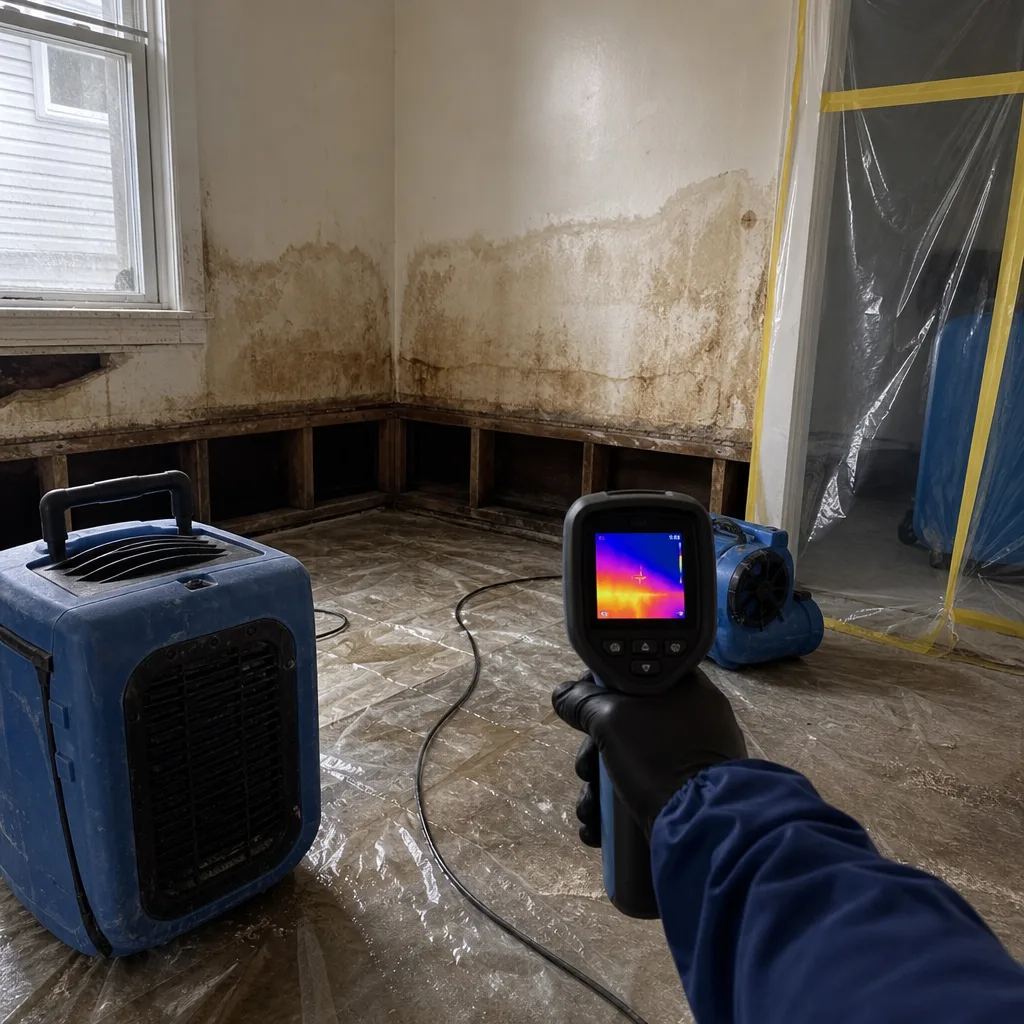 Before
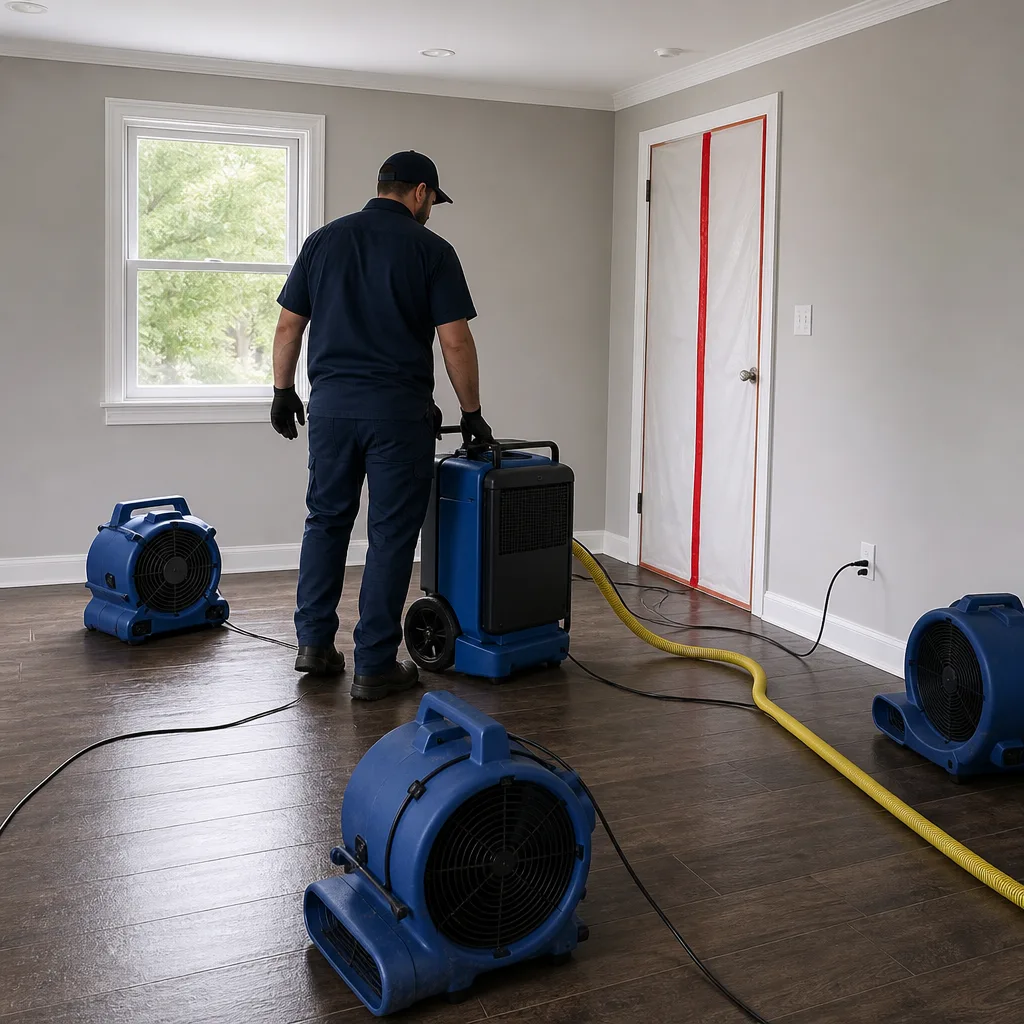 After
After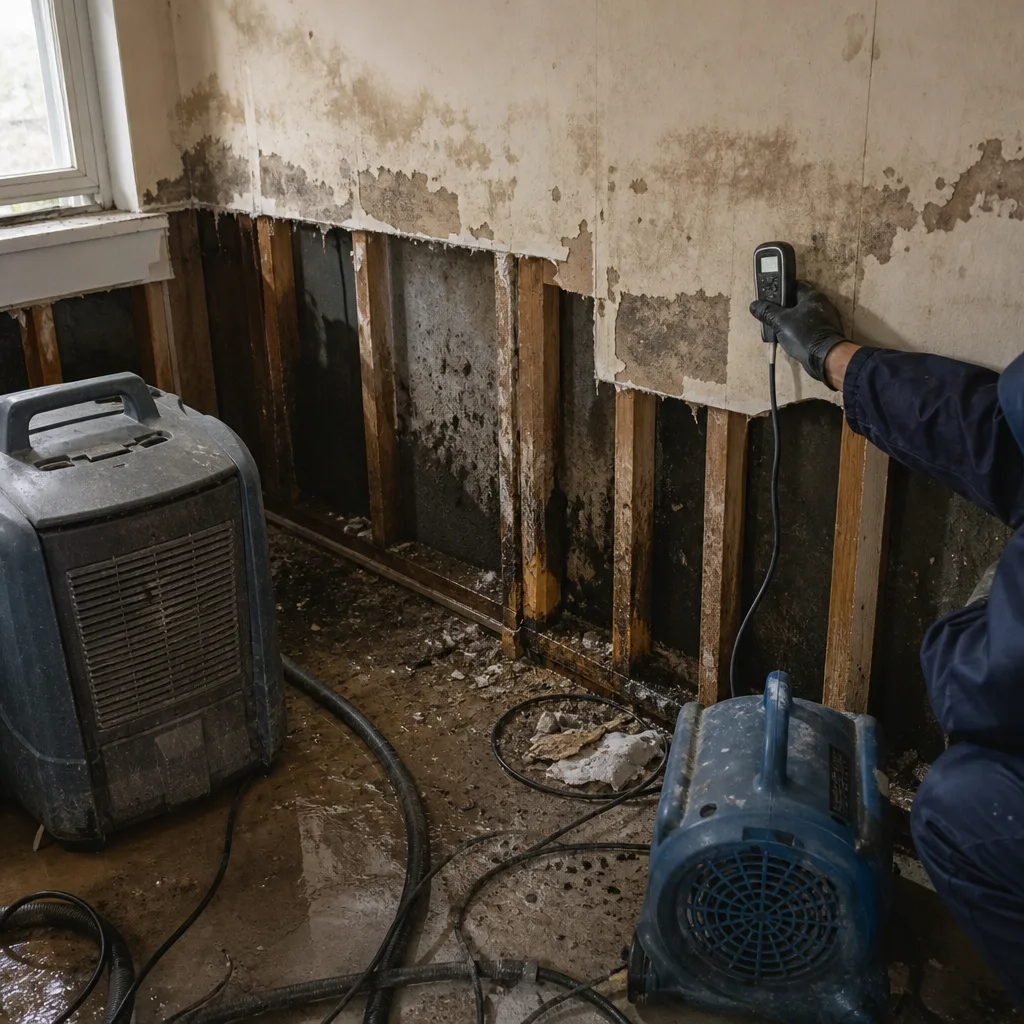 Before
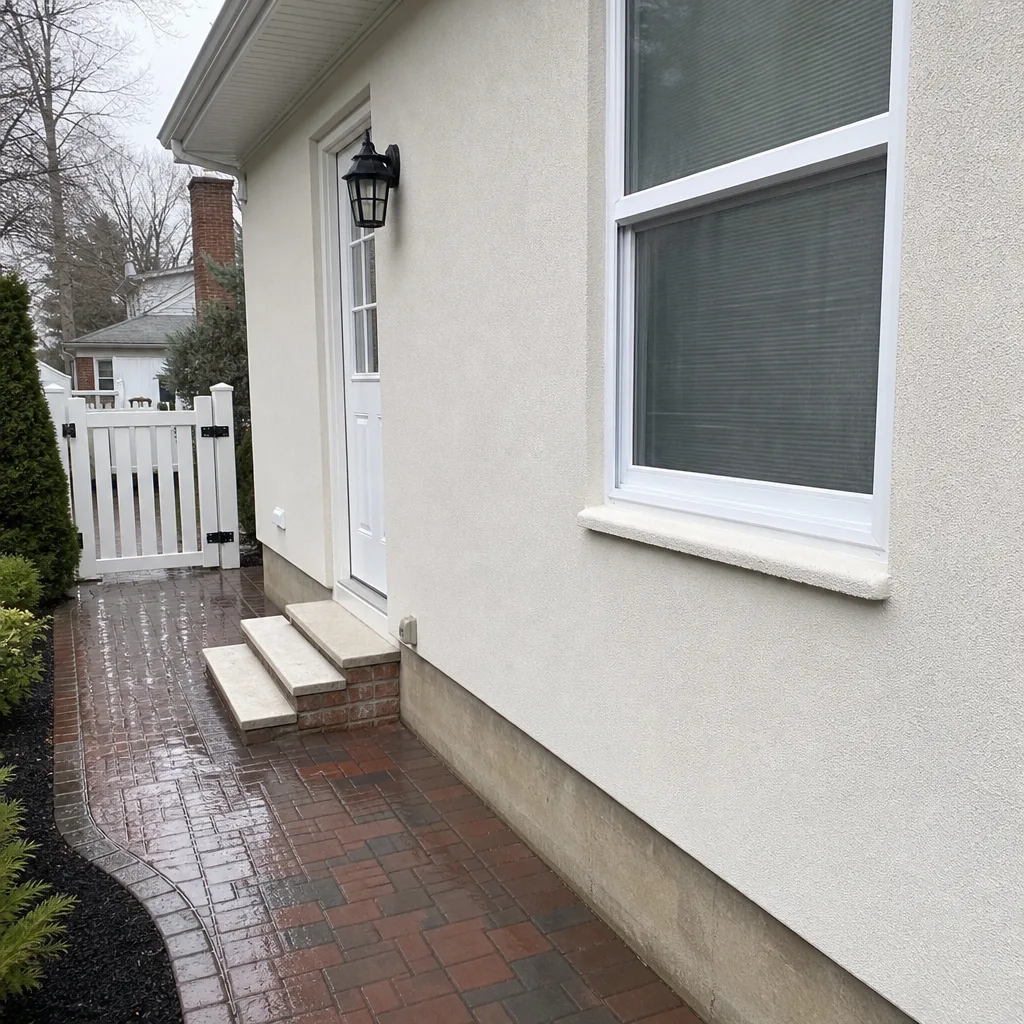 After
After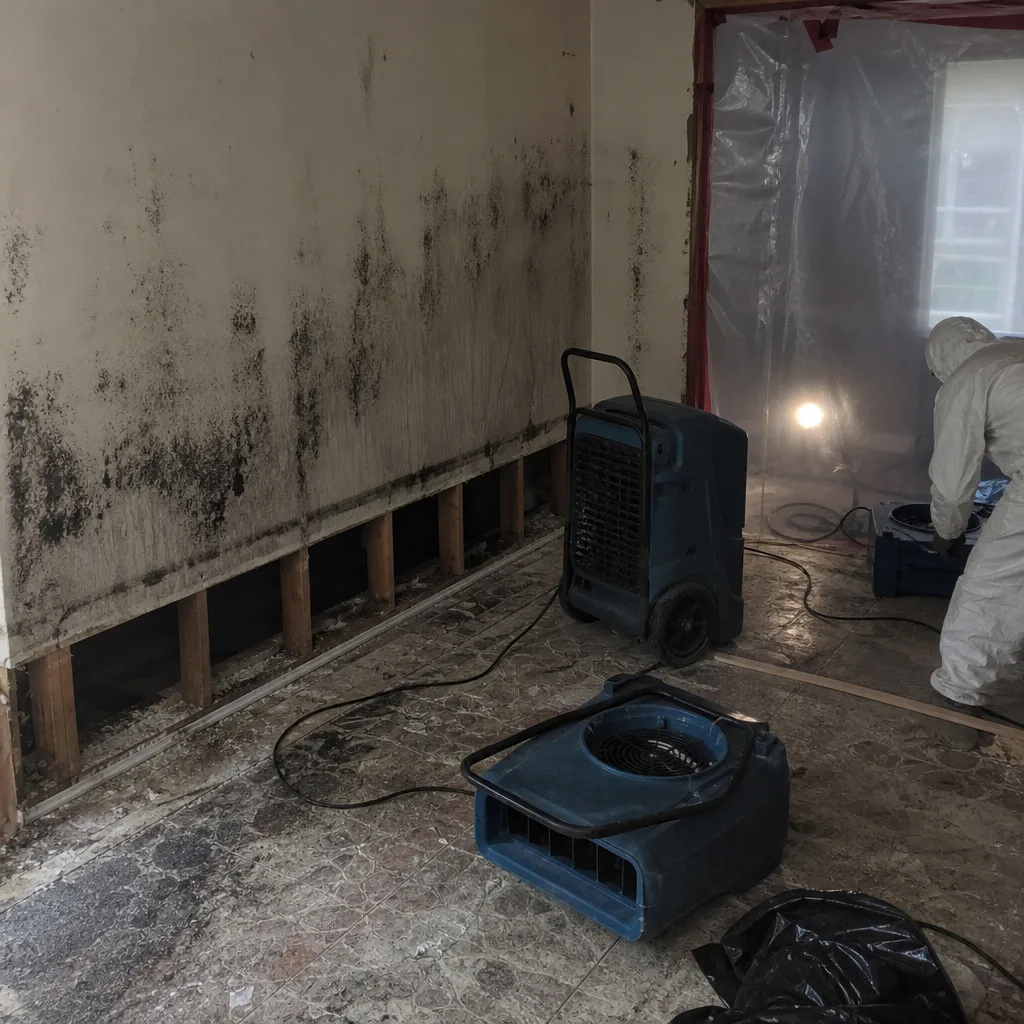 Before
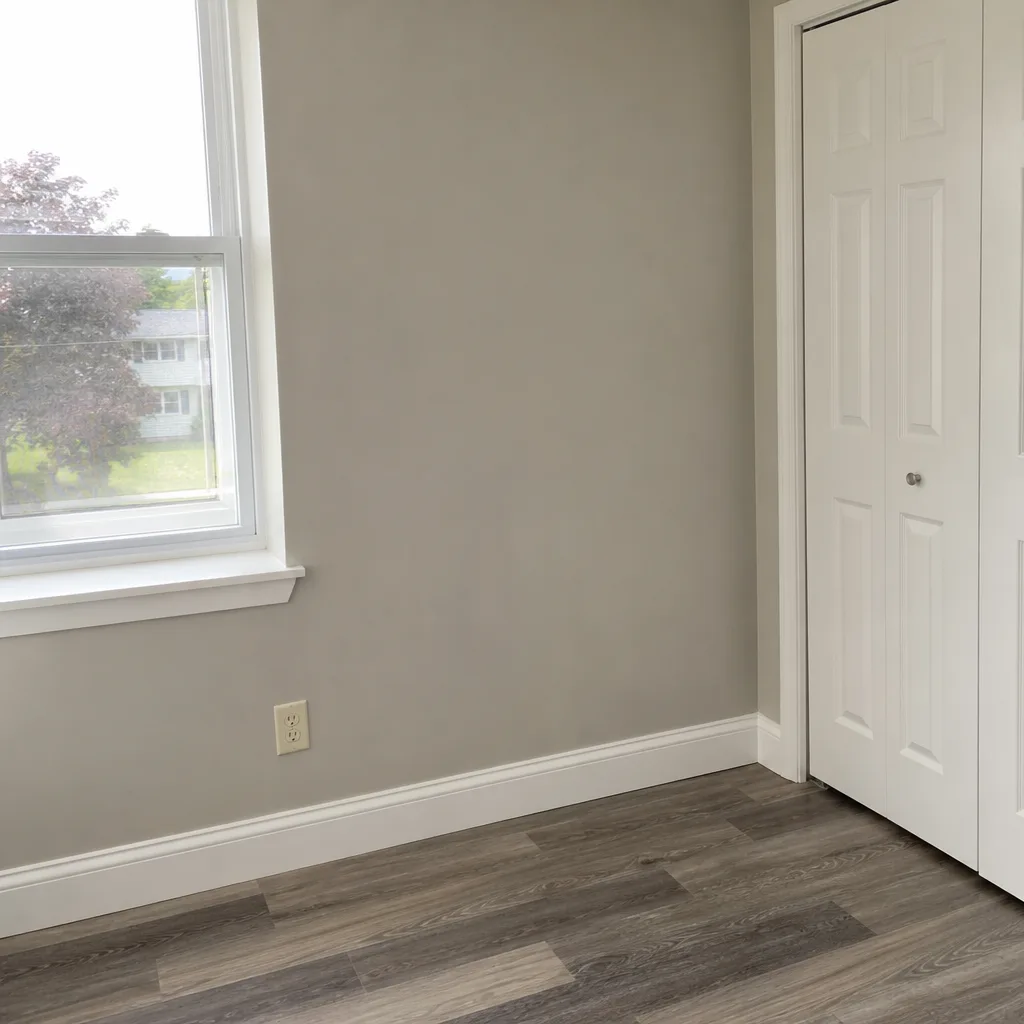 After
AfterFrequently Asked Questions
Mark the edges of the stain with a pencil or tape, photograph it, and re-check in 48 to 72 hours. If the stain has grown past the mark, water is still moving. If the stain is dry, powdery when touched, and does not grow or return after cleaning, it is likely historical damage. If you are unsure, call (516) 559-4877 and we will assess it honestly.
A normal musty basement smells earthy, damp, and mineral, like wet stone after rain. Active mold smells sharper and sourer, often compared to wet socks left in a gym bag, and it frequently has a slightly chemical or acidic edge. If the smell persists after airing the space out, suspect mold. Call us at (516) 559-4877 for an assessment.
Yes. Roof leaks, wind-driven rain entering through siding, and plumbing leaks in upper floor bathrooms can all produce water damage on upper levels. In Hempstead, nor’easters push rain horizontally against upper walls and rooflines, finding entry points that normal rainfall never exposes. Look for paint bubbles, ceiling stains, and swelling around window frames.
Under the right conditions, mold can begin growing within 24 to 48 hours of a water event. Hempstead basements are particularly prone to rapid mold growth because they are cooler, damper, and have less air movement than upper floors. Quick, thorough drying with professional-grade equipment is the single most important step in preventing mold after water damage.
First, stop the water source if you can do so safely. Second, photograph everything. Third, call a restoration professional at (516) 559-4877. Do not attempt to dry the area with household fans alone, and do not use a standard shop vac on sewage or contaminated water. In Hempstead, we respond quickly because we know that every hour of active water migration makes the job bigger.
Most Hempstead homeowners’ policies cover sudden and accidental water damage, such as a burst pipe or storm-driven water entry. Coverage for gradual damage, such as long-running seepage or maintenance-related leaks, depends on your specific policy. Document everything before cleanup begins. We work directly with adjusters and provide photo documentation to support your claim. Call (516) 559-4877 and we will help you understand what your policy may cover.
Household fans move air across surfaces, but they do not remove moisture from building materials. Professional drying uses high-volume air movers from brands like Dri-Eaz and Phoenix, combined with dehumidifiers that pull water out of the air and out of the materials. Without this equipment, water wicks into walls and subflooring and stays there. In our experience, homes dried with residential fans alone frequently develop mold or structural issues months later.
The Bottom Line
Most of the water damage we see in Hempstead homes was visible long before the homeowner recognized it. The signs were there: a chalk stain on the foundation, a door that started sticking, a smell that seemed to come and go with the weather. The task is not to panic over every imperfection. The task is to learn which imperfections are speaking and what they are saying. Efflorescence means water has moved through the wall. A paint bubble means water is pressing from behind. A softened floor means the subfloor has been wet. These are not mysteries. They are physics leaving evidence. If you see signs you cannot confidently read as old and stable, call (516) 559-4877 or explore our more guides & resources to learn what to look for. We will look honestly, explain what we see, and give you a written price before we touch anything. That is how we have worked in Hempstead since 2006, and it is how we will work for you.
Written by Rick Sumner, Owner at Tidemark Water Damage Hempstead, serving Hempstead since 2006.