


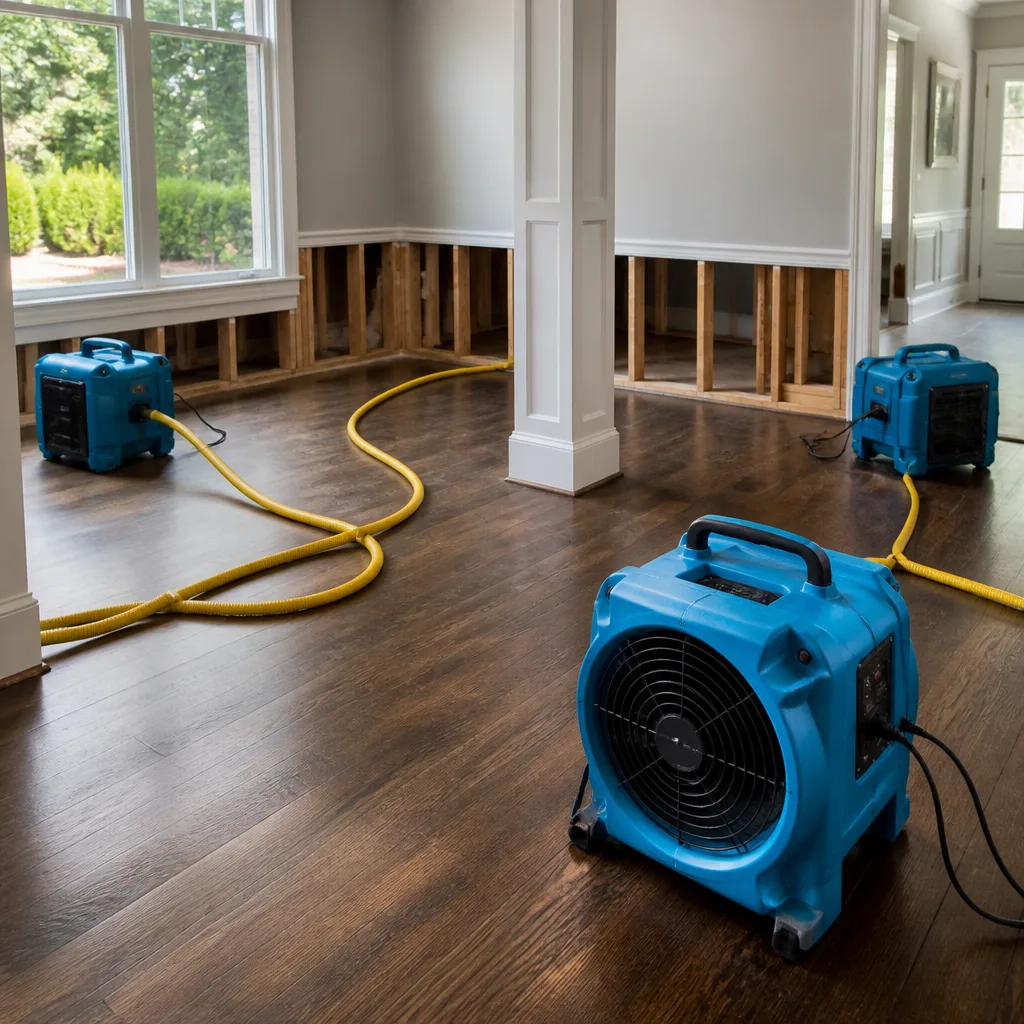
 Water damage drying
 Fire & smoke cleanup
 Mold remediation
 Storm response
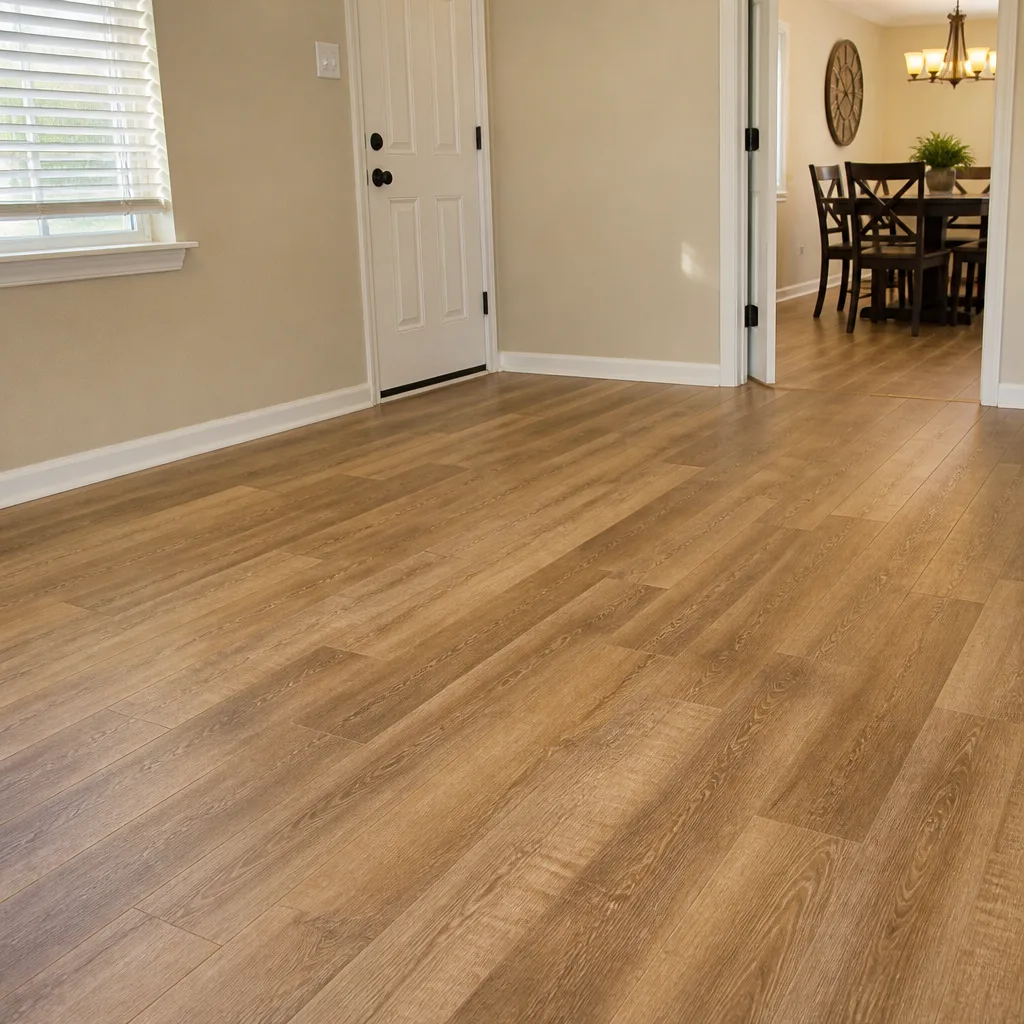 Sewage cleanup
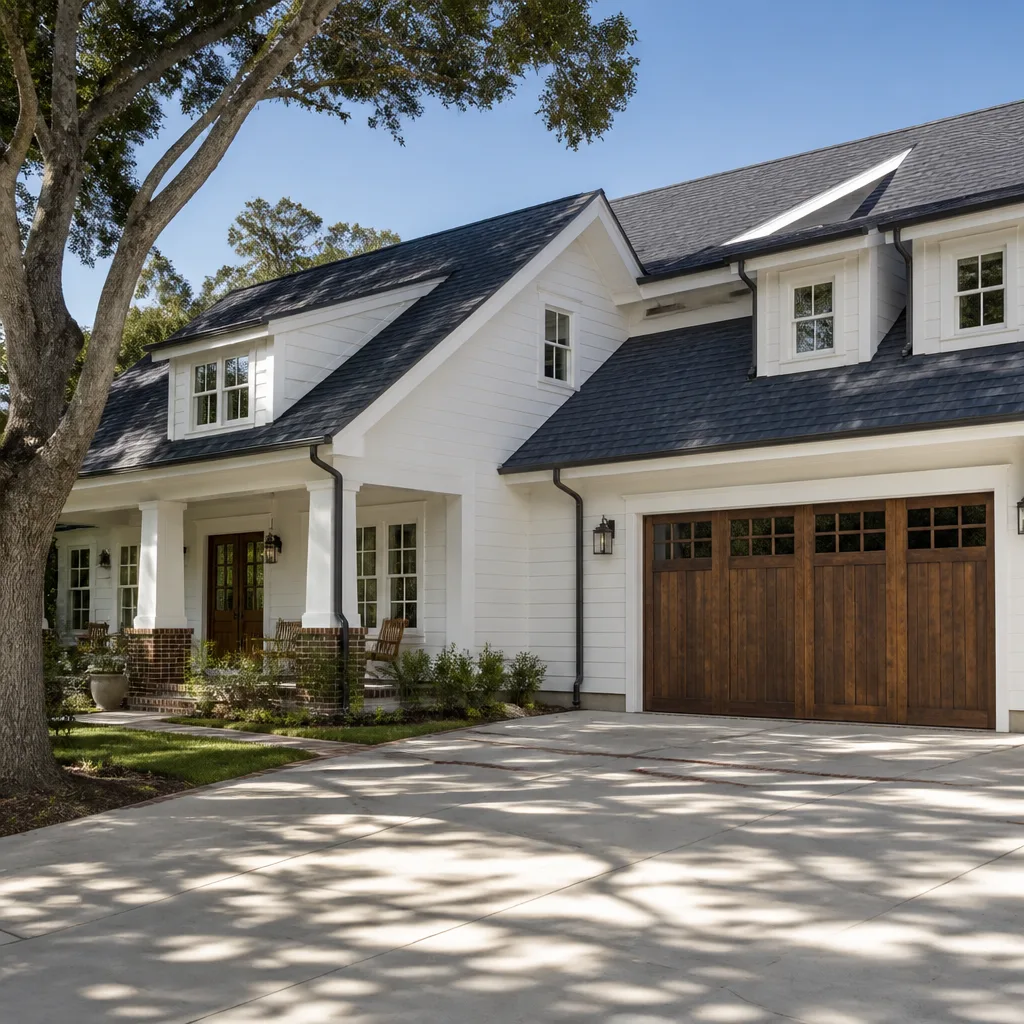 Reconstruction
Free visual inspection and a written scope of work before any mitigation begins - photos, moisture readings, and drying logs go in your claim file
The scope we write is the scope we bill. Anything new gets shown to you, in writing, before we touch it.
Get your free estimateFast, Reliable Mold Remediation Across Long Beach
Mold remediation in Long Beach, NY typically runs $1,800 to $6,500 for a contained removal from a crawl space, bathroom, or basement wall, and most jobs can be assessed within 24 hours. If you’ve found black spots under a windowsill, smelled something musty near the baseboard, or just ridden out another nor’easter and noticed damp drywall, you need a crew that understands how this barrier island behaves. Saltwater, slab foundations, and 1940s-era framing don’t respond the same way a mainland basement does. We’re Tidemark Water Damage Hempstead, and through our Water Damage Restoration in Long Beach, we’ve worked in enough Capes and bungalows to know exactly where the water hides and how mold follows it. Call (516) 559-4877 for a written assessment. Every quote is free, and you see the number before anyone picks up a tool.
Why Tidemark Water Damage Hempstead Is Long Beach’s Preferred Mold Remediation Company
People in Long Beach call us because we show up with a plan, not a pitch. Our technicians are IICRC-, RIA-, and IFA-credentialed and trained in coastal flood response, which matters here more than almost anywhere in Nassau County. We know the West End’s tight crawl spaces, the mid-century basements off East Broadway, and the slab foundations common south of Park Avenue. That local familiarity means we’re not guessing where the moisture traveled. We’re looking for what we already know this island does after storms.
Our Mold Remediation team answers calls with a live person, 24 hours a day. When a Long Beach homeowner calls at 2 a.m. with water pushing under a back door during a coastal flood, someone picks up and starts coordinating. We don’t route you to a voicemail queue. We schedule a dispatch window that works for your family, and we show up with shoe covers and drop cloths loaded on the truck before we cross the threshold. Rick Sumner, who leads our crews, insists on that. The floors in your home are not a work surface. They’re yours.
Long Beach homeowners tell us the same thing repeatedly: they appreciate knowing the written price before work begins, and they appreciate that we don’t treat their house like a job site we can just tear through. We tape containment, we run negative air, we clean up fully, and we take a photo of the finished work before we leave. The crew leaves the home the way we’d want our own left.
Restoration work we handle
Mold Removal Contractor in Long Beach
A mold removal contractor in Long Beach is not just cutting out stained drywall. On this island, the job starts with locating the tide mark, the line water leaves on a wall and the first thing our technicians look for on every job. In pre-1960 homes with slab foundations, that tide mark often doesn’t exist on the wall at all. The water traveled up through the concrete. We map moisture with probes and thermal imaging before a single cut is made. This is the only way to avoid the cycle we see too often: a contractor removes visible mold, repaints, and six weeks later the homeowner smells it again behind fresh drywall.
For a Long Beach bungalow or Cape, typical mold removal runs $1,800 to $4,500 depending on square footage and how far the growth has traveled. A larger basement with extensive framing involvement can reach $6,500. The written quote you get from us includes containment setup, demolition, cleaning, antimicrobial application, drying, and clearance testing if you want it. No surprise line items.
Slab Foundation Mold Work
Homes built on slab in Long Beach don’t give mold obvious entry points like a basement wall does. Moisture rises through the concrete, dampens the sill plate, and travels into the wall cavity from the bottom up. Our crews have seen this pattern in Capes on Ohio Avenue, on Magnolia, and across the President Streets. The fix involves cutting the bottom 18 inches of drywall, treating the framing, and letting the slab dry to a stable baseline before rebuild.
Crawl Space and Sill Plate Treatment
Raised foundations south of Park have crawl spaces that trap salt-laden humid air for months. We set containment at the access door, scrub the joists and sill plate with antimicrobial treatment, and run professional-grade dehumidifiers until readings hold steady. Homeowners are often surprised how much better the whole house smells when the crawl space is finally addressed.
Bathroom Mold Removal in Long Beach
Bathroom mold removal in Long Beach is one of our most common calls, and it’s rarely just about the bathroom. In 1940s and 1950s homes, bathrooms were built tight, often with original cast-iron vent stacks, single-pane windows, and no exhaust fan. Decades of shower steam, sea air, and slow leaks behind tile have created the perfect environment for mold behind the walls and under the floor. The visible spots on the ceiling are usually the smallest part of the problem.
Most bathroom mold removal in a typical Long Beach Cape runs $1,200 to $3,800. That range includes removing affected drywall and trim, treating the studs, addressing the moisture source, and replacing with mold-resistant materials. If we find rotten subfloor under the tub or toilet, the number adjusts, and you see the revised written scope before we continue. No one starts cutting more than you agreed to.

Hidden Mold Behind Bathroom Tile
Water gets behind tile through cracked grout, failed caulk, or a leaking shower valve. By the time you see staining at the baseboard, the backer board and studs may have been wet for months. We remove tile only where necessary, contain the room with negative air so spores don’t travel through the house, and dry the cavity completely before rebuilding.
Ventilation and Humidity Corrections
After we remove the mold, we always talk about why it grew. In Long Beach, bathroom exhaust fans often vent into the attic rather than outside, which just moves the moisture problem upward. We’ll point that out, recommend a proper exterior vent, and let you decide. The mold removal works either way, but correcting the ventilation is what keeps it from returning.
Trusted Brands We Service in Long Beach
Long Beach’s older homes often have equipment installed years ago, and not everything is worth replacing. Our Long Beach customers bring us into homes with original dehumidifiers, old sump pumps, and ventilation systems that came with the house. We work with Dri-Eaz and Phoenix equipment for professional-grade drying and humidity control, and we keep replacement parts for common older units in stock so you’re not waiting on a special order. For standing water events or high humidity in a finished basement, Phoenix dehumidifiers and Dri-Eaz air movers are what we bring in. Your home, your decision on equipment. We recommend what the moisture readings tell us is necessary.
See the difference
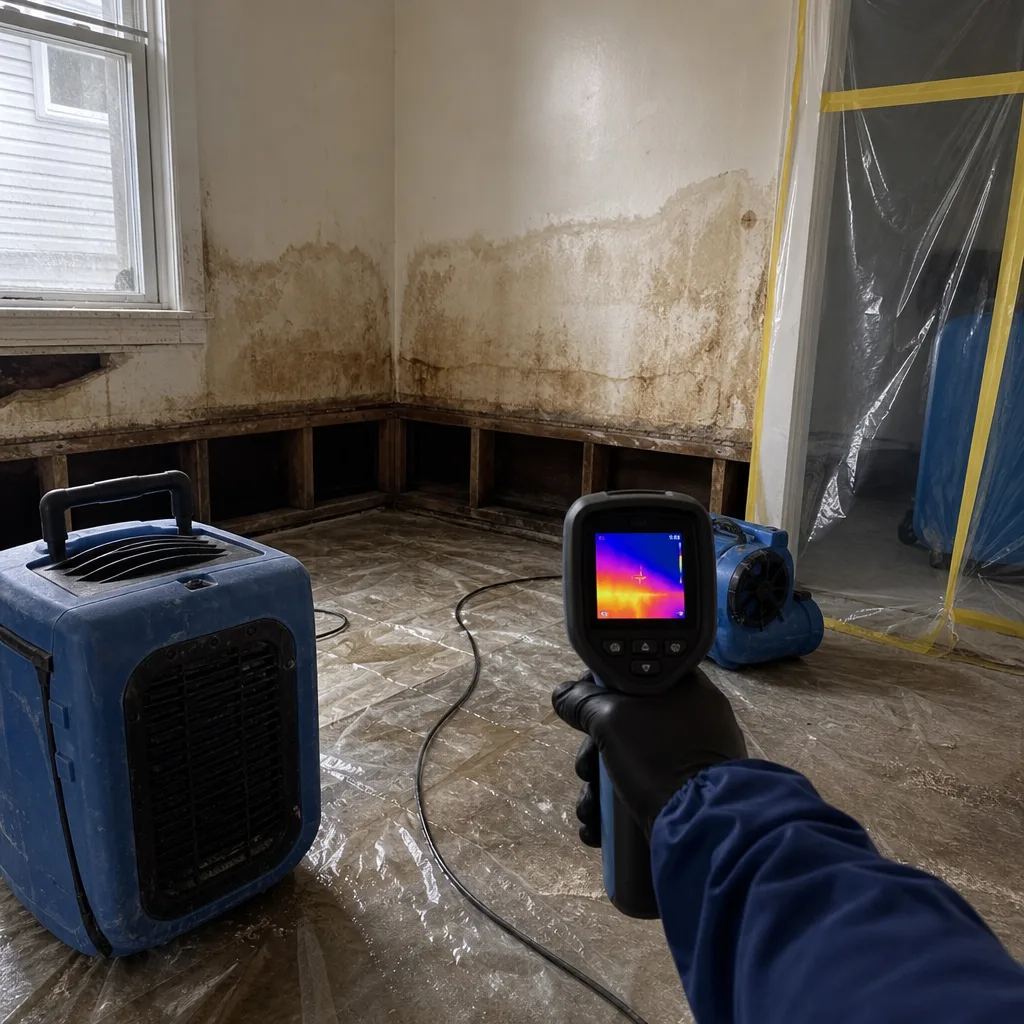 Before
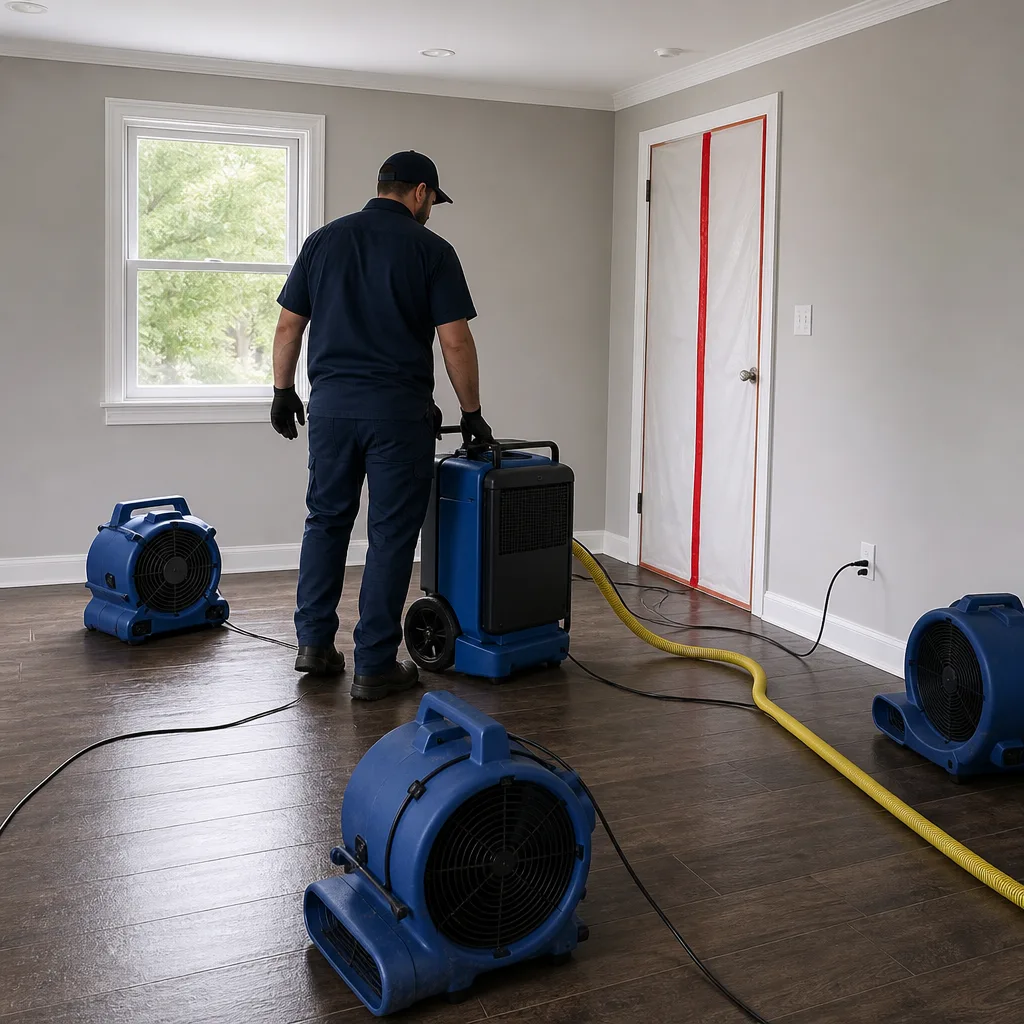 After
After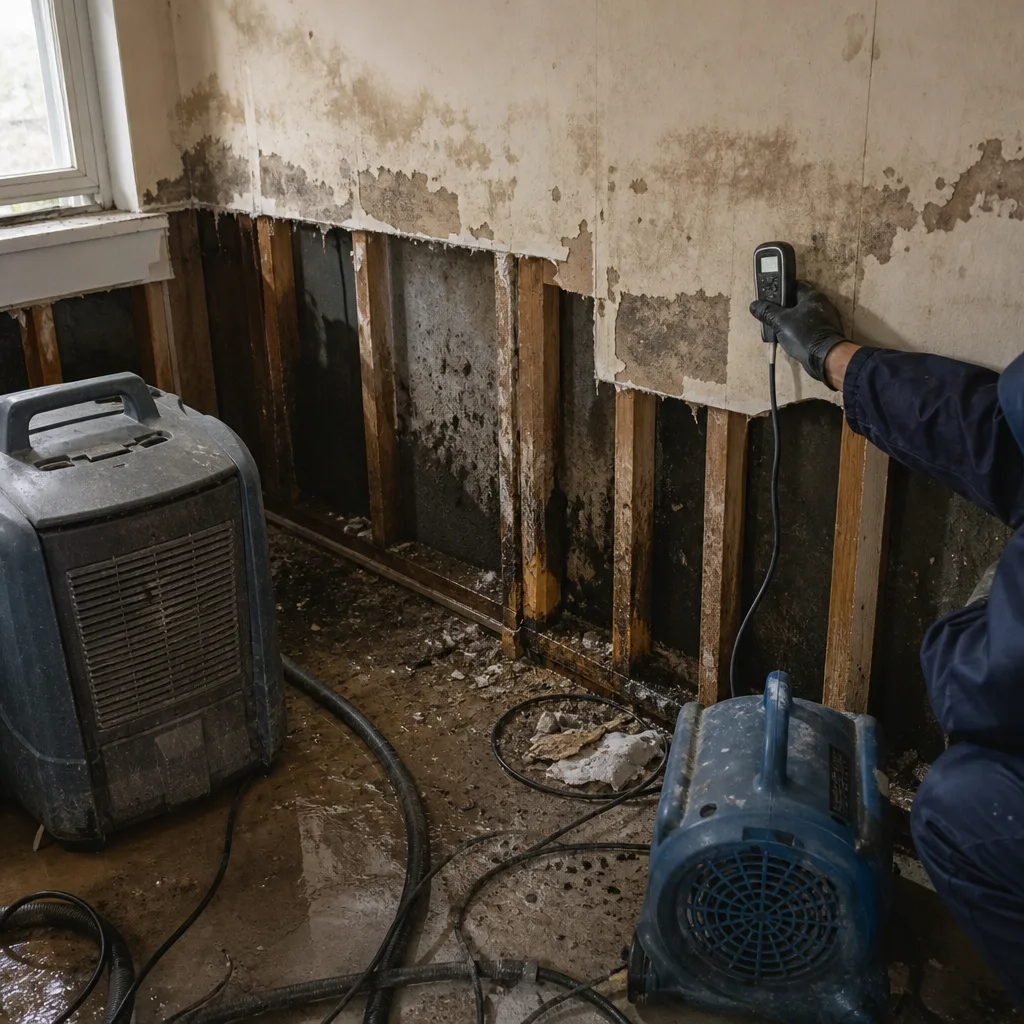 Before
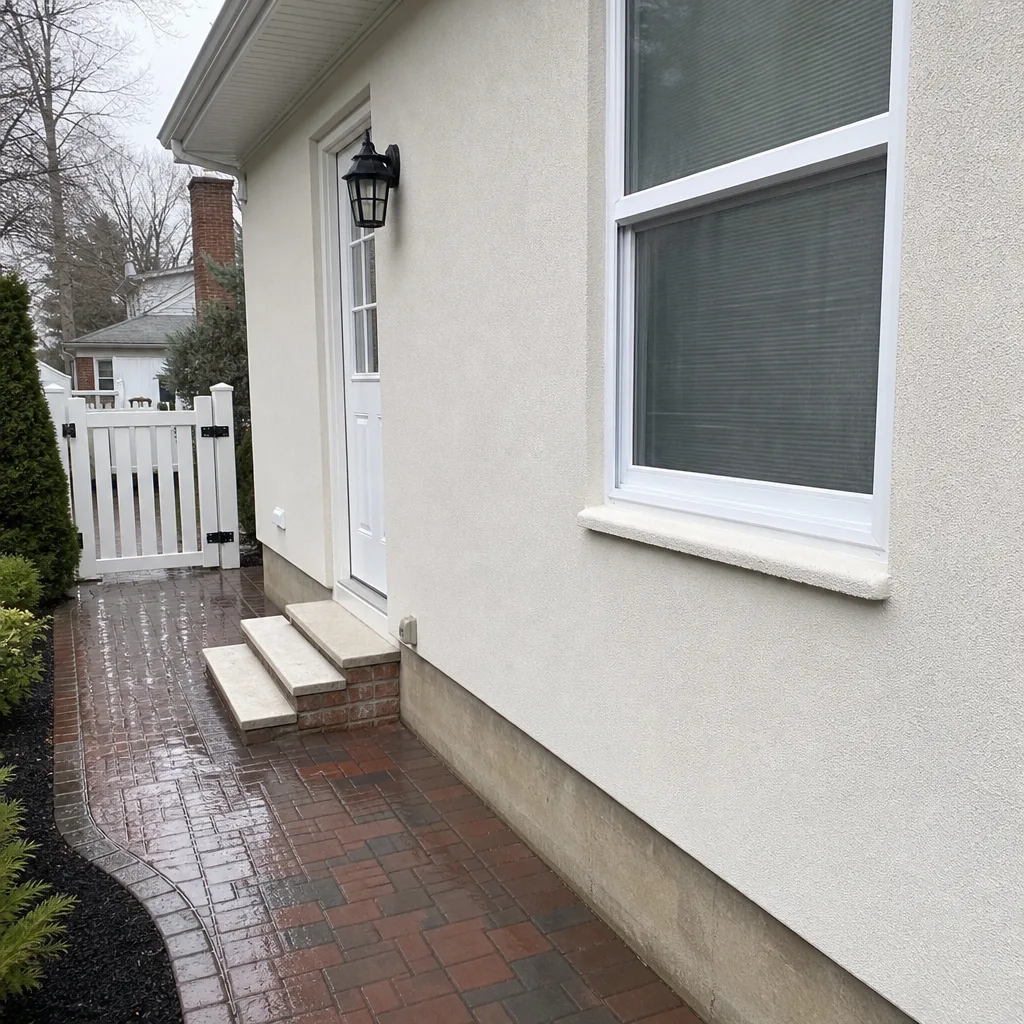 After
After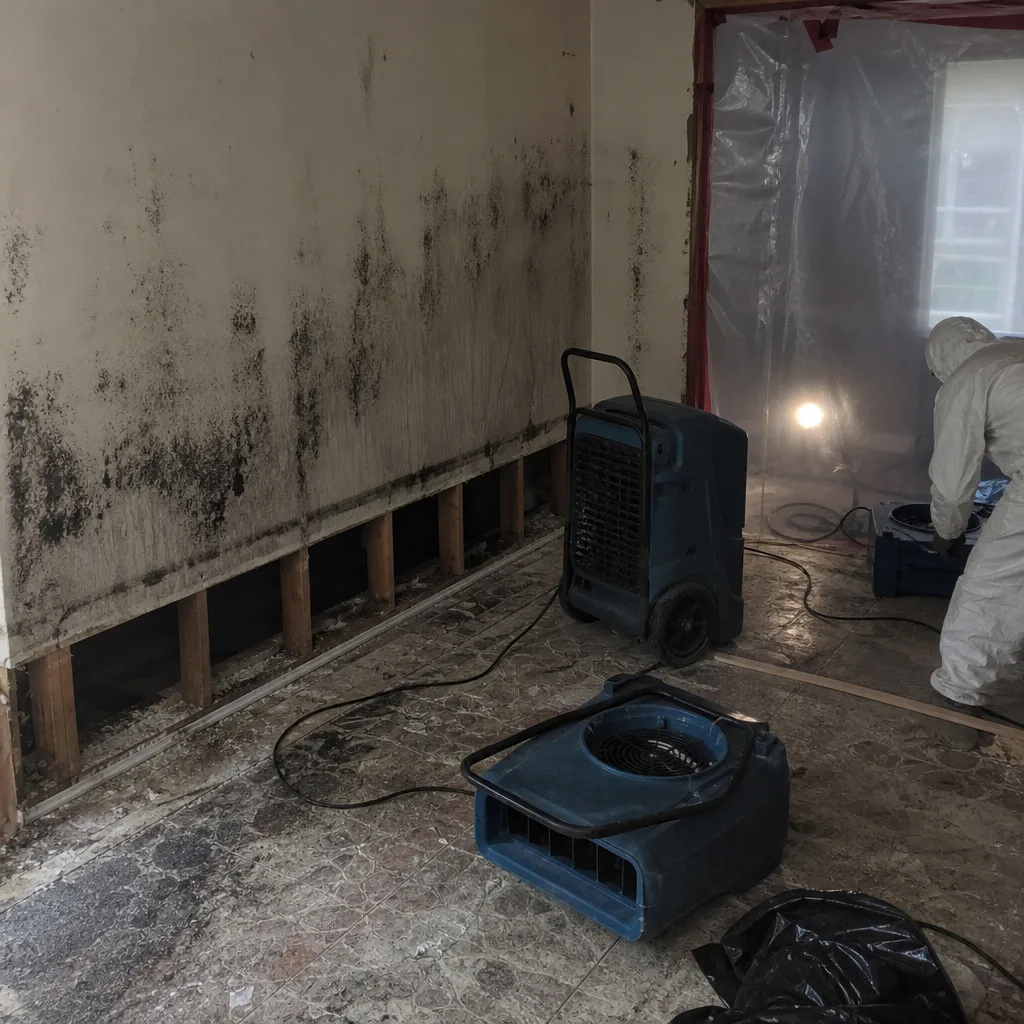 Before
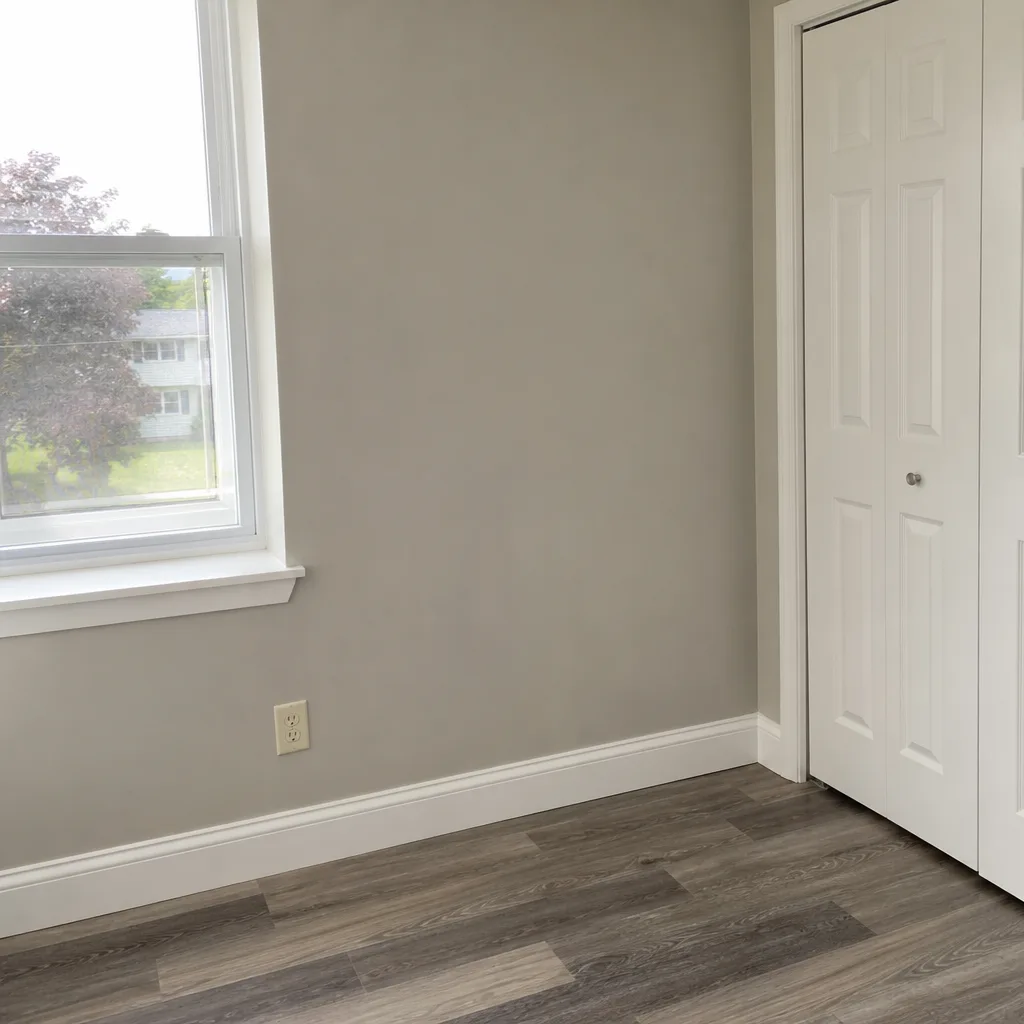 After
AfterCommon Mold Remediation Problems We See in Long Beach Homes
- Saltwater wicking through pre-1960 slab foundations. The slab sits close to the water table, and after a nor’easter or hurricane, saltwater pushes up through the concrete and keeps the sill plate and lower wall cavity damp for months. Surface drying doesn’t touch it.
- Uncontained demo in tight mid-century basements. Cutting out moldy drywall without negative air blows spores up into the first-floor joists and throughout the house. We contain first, always.
- Incorrect water classification after flood events. Storm surge and sewage backup are Category 3 water, which requires different handling than Category 2 from a leaking appliance. Misclassifying it leaves contaminated drywall in place that blooms mold behind new paint.
- Persistent mustiness from crawl spaces nobody has opened in years. Many Long Beach homes south of Park Avenue have crawl spaces with original fiberglass insulation, failed vapor barriers, and sandy soil that holds salty moisture. The smell drifts up through the floorboards and homeowners assume it’s a housekeeping issue.
Pricing for Mold Remediation in Long Beach, NY
We believe in giving you honest numbers. A bathroom mold removal in Long Beach runs $1,200 to $3,800. Crawl space mold remediation and encapsulation typically costs $2,500 to $5,500 depending on square footage and access. Full basement mold remediation with containment, framing treatment, and rebuild ranges $3,500 to $6,500. What moves the number is how far the mold traveled, whether multiple rooms are involved, whether Category 3 water handling is required, and what needs rebuilding. You get a written price before any work starts, and it’s the price you pay. Call (516) 559-4877 for a free in-home assessment. We’ll map the moisture, show you the readings, and hand you a written scope.
We Also Serve Cities Near Long Beach
Our crews cover Long Beach and the surrounding south shore, including Mold Remediation in Long Beach plus nearby Oceanside, Roosevelt, Merrick, and Uniondale. If you’re a few blocks over the city line, we’re still close, and the same written-price standard applies. Dispatch is coordinated out of our New York City office, but the technicians who arrive at your door know Long Beach streets and Long Beach houses.
Serving Long Beach, NY - Our Local Coverage Area
We’re based in the Long Beach area and know this community well. Use the map below to see our service coverage - if you’re nearby, we can almost certainly help.
FAQs About Mold Remediation in Long Beach
Call within 24 to 48 hours of the water receding. Mold can begin growing on wet drywall and framing in 48 to 72 hours, and in Long Beach’s salt-humid air, that clock moves faster. But for slab foundations, the larger issue is what’s happening below the surface. Saltwater wicked into the concrete keeps the lower wall cavity damp for weeks after visible water is gone. The sooner we get a dehumidifier running on that slab, the less demolition you’ll need. Call (516) 559-4877 as soon as you’re safe and the water is down. We’ll get a crew there and start reading moisture levels.
Yes, and it comes down to where the water is. A typical basement with a concrete floor and framed walls gets wet from above or from groundwater at the corners, and you can often dry it with air movement and dehumidification. A 50’s Cape on slab in Long Beach has no basement, so water that enters through the slab gets drawn upward by the wood framing at the sill plate. That wicking pattern means we cut higher, dry longer, and run moisture readings against the slab for days until the numbers stabilize. A contractor who treats it like a standard basement job will miss the source and you’ll be back in the same spot.
Category 2 water is significantly contaminated, from sources like a washing machine overflow or a dishwasher leak, and it can cause illness if ingested. Category 3 water, called black water, contains sewage, seawater from storm surge, or rising floodwater. In a Long Beach bathroom, if the source is just a supply line leak or a tub overflow, it’s likely Category 2. If it came up through the floor drain during coastal flooding, it’s Category 3. The difference changes what we remove and how we treat the framing afterward. We tell you honestly which one you have, and we always lean on the side of removing more drywall than less when Category 3 is involved.
Yes. Salt is hygroscopic, which means it pulls moisture from the air, and Long Beach’s air is humid year-round. Salt crystals left in framing or drywall after a flood will keep absorbing ambient moisture long after the surface feels dry to the touch. That creates a persistent damp pocket inside the wall cavity, and mold eventually follows. This is one reason we don’t rush to close up walls after flood restoration. We test for hidden salt and moisture, clean the framing, and only rebuild once the numbers prove the cavity is stable.
Because cutting moldy drywall without containment sends tens of thousands of mold spores into your home’s air in a matter of minutes. In a small basement with a low ceiling, that spore load travels directly up through the floor joists into the living space above. Negative air containment with HEPA filtration stops that. It’s not an upsell, it’s the standard we hold on every job, regardless of how small the affected area is. You wouldn’t want a surgeon operating without drapes, and mold removal is no different. Our crews set containment before the first cut and keep it running until the cleaning is done.
Written by Rick Sumner, Owner at Tidemark Water Damage Hempstead, serving Long Beach, NY.