


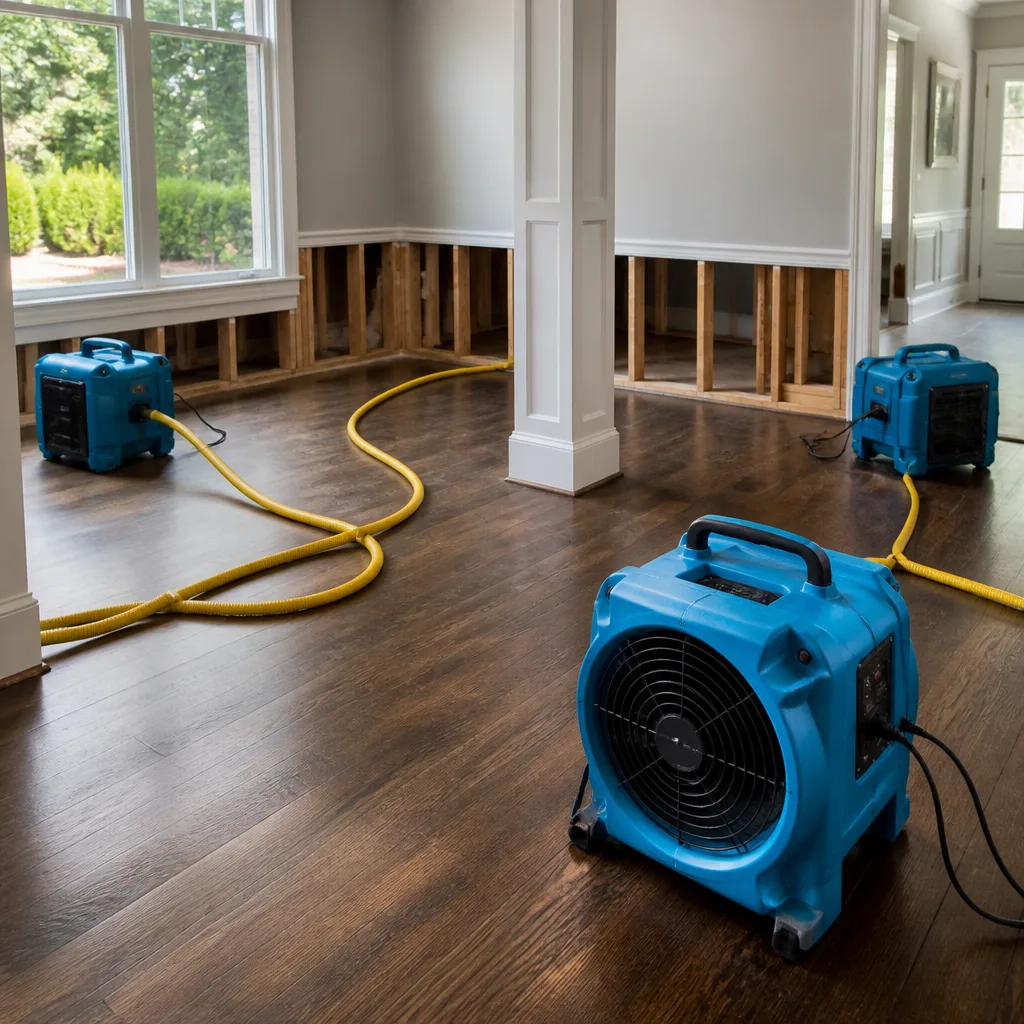
 Water damage drying
 Fire & smoke cleanup
 Mold remediation
 Storm response
 Sewage cleanup
 Reconstruction
Free visual inspection and a written scope of work before any mitigation begins - photos, moisture readings, and drying logs go in your claim file
The scope we write is the scope we bill. Anything new gets shown to you, in writing, before we touch it.
Get your free estimateFast, Reliable Mold Remediation Across Farmingdale
Mold remediation in Farmingdale typically costs $900 – $2,800 for a basement or crawlspace job, and we can usually have a credentialed crew at your door within 90 minutes of your call. Farmingdale’s older housing stock presents a specific set of conditions: pre-war colonials with plaster and lathe, bungalows on shallow foundations, split-levels with below-grade lower levels. When moisture finds its way in, it doesn’t sit idle. Our Mold Remediation team knows where water travels inside these house types and how to stop the mold cycle at its source, not just wipe the surface. If you’re seeing black spots on baseboards, smelling something earthy near a wall, or have had a leak that never got fully dried, call (516) 559-4877 and we’ll walk you through exactly what to do next.
Why Tidemark Water Damage Hempstead Is Farmingdale’s Preferred Mold Remediation Company
We’re independently owned and operated, working to the Cedarwell Care Promise. Rick Sumner leads our team, and the standard he set is simple: written price before any work starts, pet-safe products, and a 365-Day Done Right Promise. If it’s not done right, we make it right. That matters when you’re deciding who to trust with a mold problem inside your walls.
Farmingdale homeowners call us because our technicians are credentialed through the IICRC, RIA, and IFA, and they arrive with the right equipment already on the truck. Dri-Eaz dehumidifiers and air movers. Containment barriers. Moisture meters. Shoe covers and drop cloths get put down before the first piece of equipment comes through your door. We protect your floors because we’d want someone to protect ours.
Calls are answered by a live person, 24/7. Not a voicemail. When you call our Farmingdale line, you get Rick’s team on the phone, and a crew is dispatched from our metro office with local knowledge of the area’s housing stock and moisture patterns.
Restoration work we handle
Black Mold Removal in Farmingdale
Black Mold Removal in Farmingdale usually means addressing stachybotrys chartarum, the species most homeowners are worried about, and it’s a job we handle several times a month in this area. In a Farmingdale colonial with plaster walls, black mold is rarely on the surface alone. When a homeowner sees black spotting on a wall or ceiling, the colony has often already worked its way into the wall cavity behind the plaster. Our technicians don’t just treat the visible stain. We contain the area, remove the affected material, dry the framing, and treat the cavity so the colony doesn’t return.
What It Costs
Black mold removal in a Farmingdale home runs $1,400 – $3,200 for a typical single-room job with containment. If mold has spread through a basement or crawlspace, expect $3,000 – $6,500. You’ll see the written scope and price before we start, not after.
When It’s Urgent
If someone in the house has asthma, allergies, or a compromised immune system, don’t wait. Black mold isn’t something to live alongside. We can usually have a crew on site the same day in Farmingdale.
Mold Removal Contractor in Farmingdale
A Mold Removal Contractor in Farmingdale needs to know the difference between wiping mold off a wall and drying the structure behind it. That distinction is everything in this town. Many older homes here have original hardwood floors, plaster walls, and wood lathe. A contractor who cleans the surface but leaves moisture in the wall cavity has done nothing but delay the problem. Our team follows the tide mark. That’s the line water leaves on a wall, and it’s the first thing our technicians look for on every job.
The Harding Park Problem
Homes in the Harding Park section often have original 1920s bungalows on shallow foundations. After heavy rains, groundwater seeps up through the crawlspace floor, and within weeks surface mold appears on the original wood floor joists. Encapsulation and dehumidification stop that cycle. A typical Harding Park crawlspace encapsulation with mold remediation runs $4,000 – $7,500 depending on square footage and access.
What We Actually Do
We set containment so spores don’t spread to your living space. We run HEPA air scrubbers. We remove the contaminated material, dry the structure with Dri-Eaz and Phoenix equipment, and treat remaining surfaces. Then we document the work with photos before we leave, so you see exactly what was done and how it was left.
Trusted Brands We Service in Farmingdale
Our equipment brands are chosen because they’re what leading restoration specialists use. Dri-Eaz dehumidifiers and air movers. Phoenix axial fans for tight crawlspace work. RIA and IFA standards guide how our technicians use them. We don’t stock retail hardware. What we carry is professional-grade drying and air-scrubbing equipment that most Farmingdale homeowners will never need to buy themselves. That’s the point. You shouldn’t have to figure out which machine to rent or how long to run it. We bring what the job requires, and we know how long to leave it running.

Common Mold Remediation Problems We See in Farmingdale Homes
- Plaster-and-lath walls hide water until mold blooms behind baseboards. In pre-war colonials and bungalows, a slow leak inside a wall wicks through wood lathe and old plaster. By the time you smell it, the colony is already inside the wall cavity. Our moisture mapping finds the source before we open anything.
- Store-bought antimicrobial sprays fail on porous hardwood and plaster. DIY products sit on the surface. Mold roots travel into wood grain and plaster pores. Within weeks of a nor’easter raising indoor humidity, the mold returns. We remove and dry, not just spray.
- Split-level lower levels hide seepage under vinyl tile. Many 1950s-1960s split-levels in Farmingdale have slab-on-grade lower levels. Water seeping beneath vinyl floor tile goes unseen until the floor is disturbed, then spores release into the air. We always moisture-map slab areas before starting work.
- Original floor joists in shallow-crawlspace bungalows are vulnerable. Harding Park’s 1920s bungalows sit close to the ground. Groundwater wicks up through dirt floors and into the joists. Encapsulation with a vapor barrier and sealed vents is the long-term fix, not repeat cleanings.
See the difference
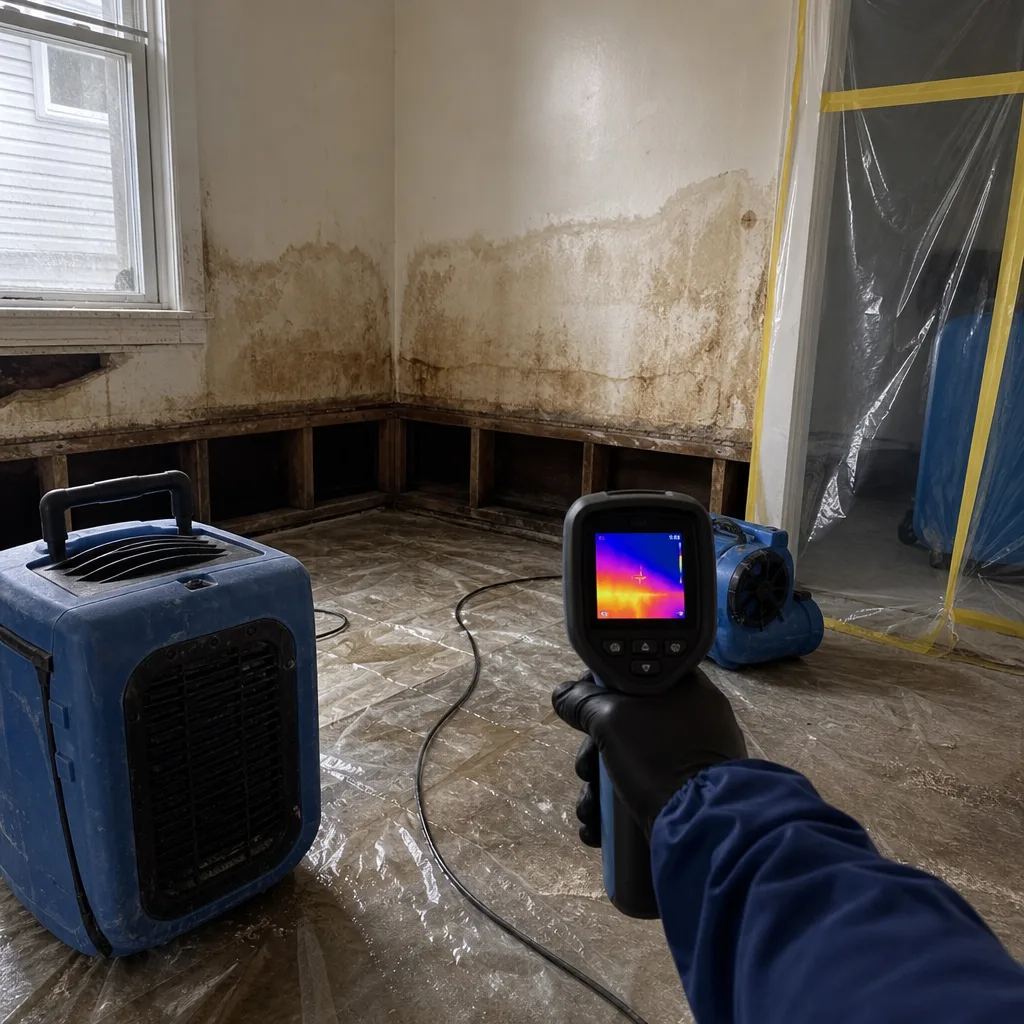 Before
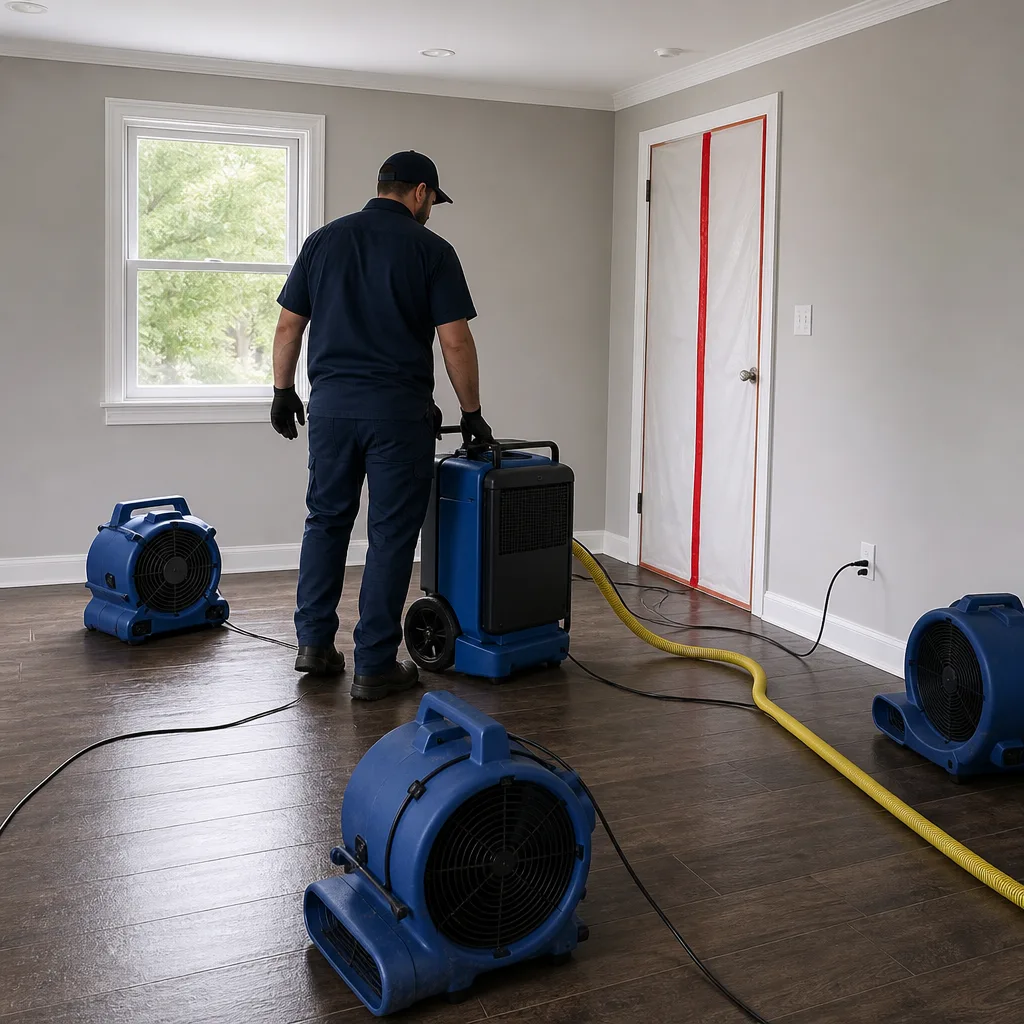 After
After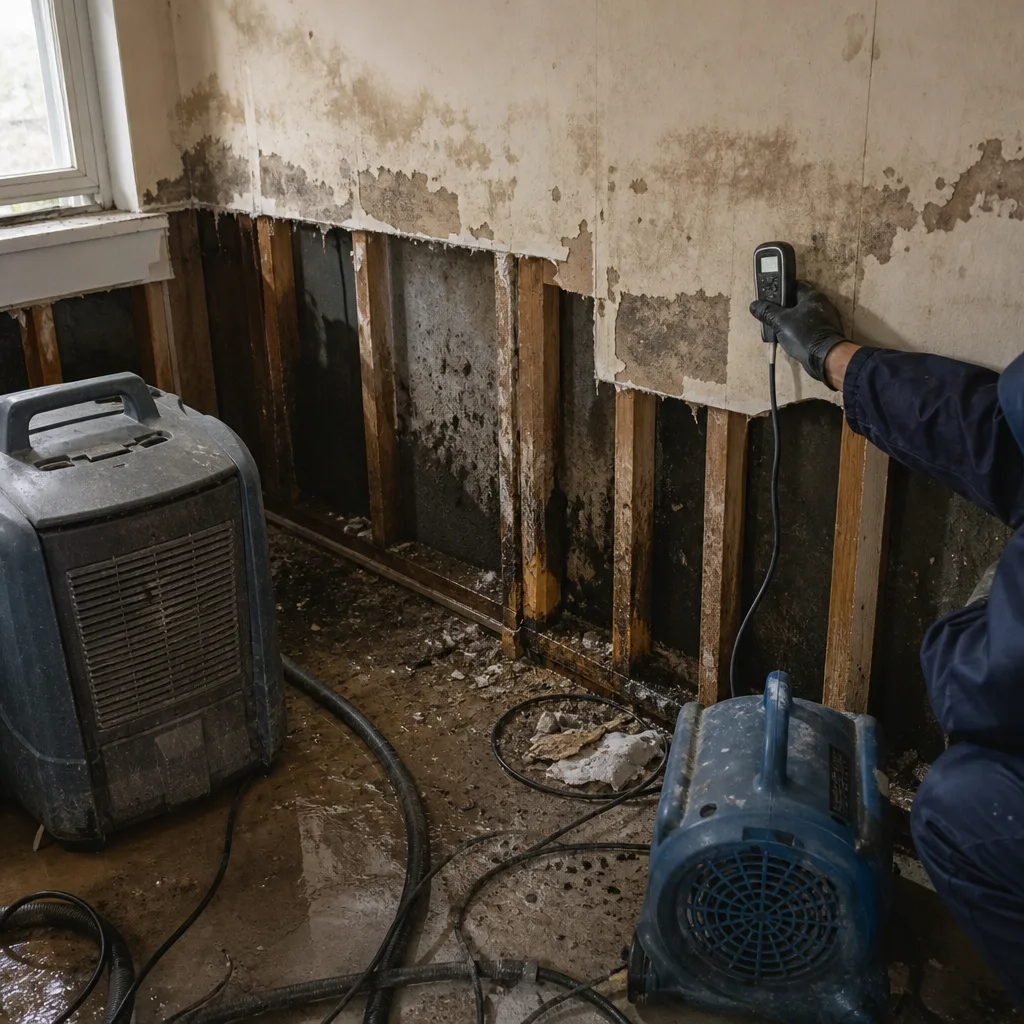 Before
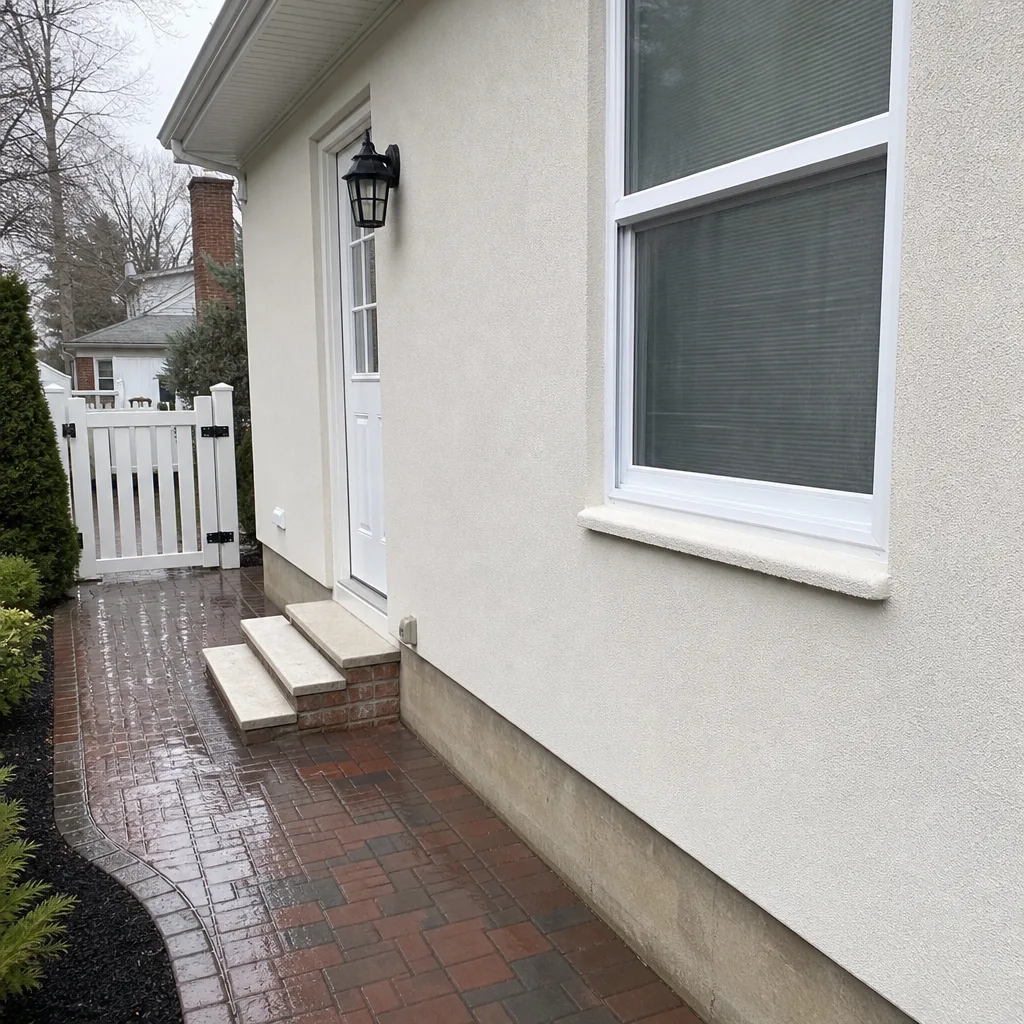 After
After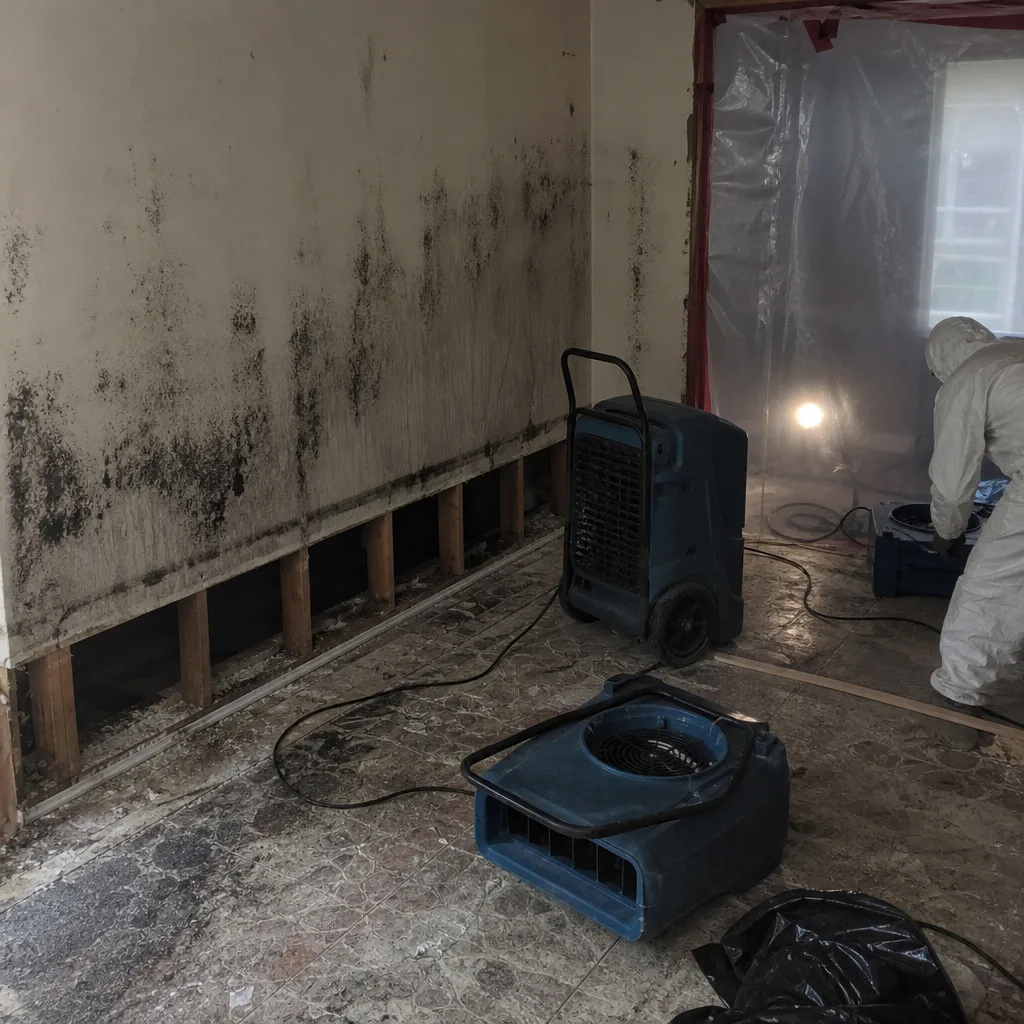 Before
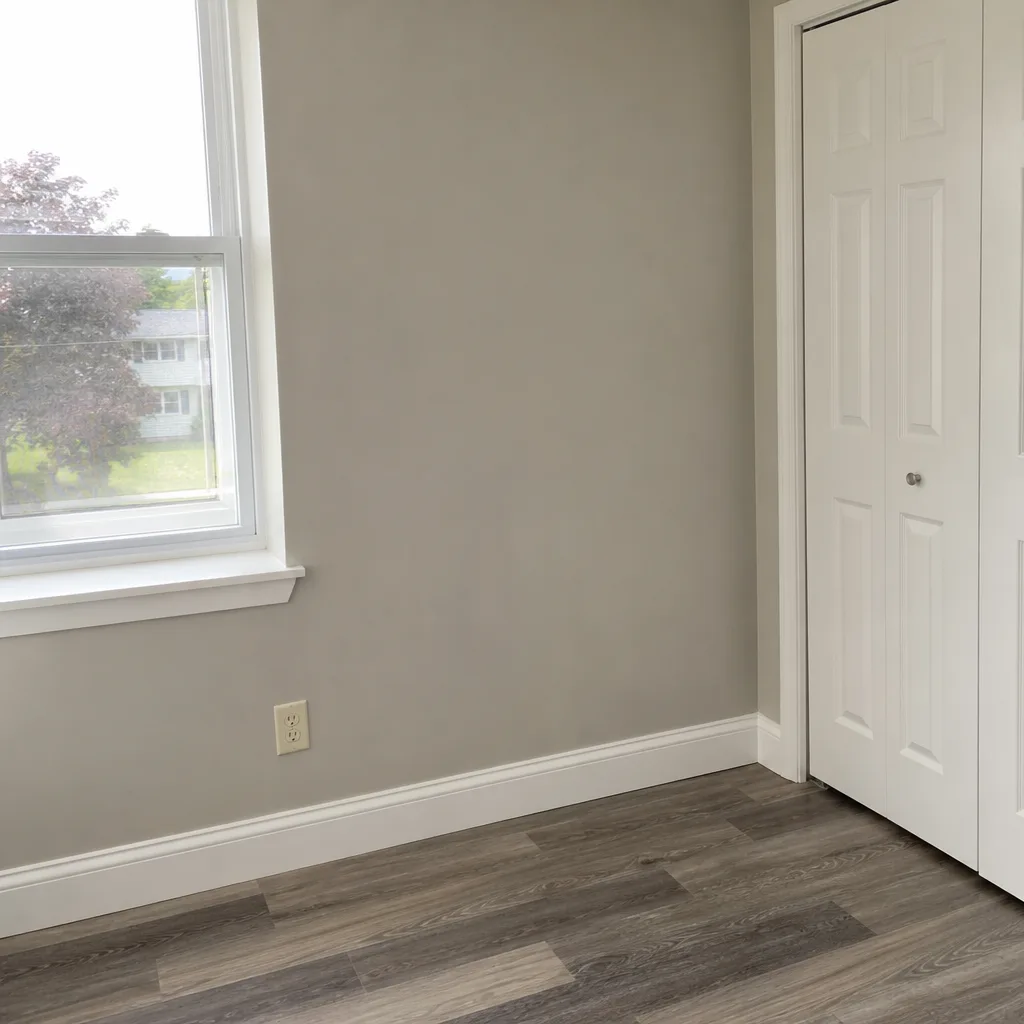 After
AfterPricing for Mold Remediation in Farmingdale, NY
Here’s what most jobs actually run in this market. Mold inspection and testing in Farmingdale runs $350 – $600. A small contained removal, like a bathroom wall or a closet ceiling, runs $900 – $1,800. A basement or crawlspace with moderate contamination runs $2,000 – $4,500. Full black mold remediation involving multiple rooms or a large crawlspace runs $4,000 – $8,500. What changes the number: square footage, how far moisture traveled, whether framing or flooring needs removal, and whether the crawlspace needs vapor barrier installation. We give you a written price before any work starts, based on what we find and measure. No surprises on the final invoice. Call (516) 559-4877 for a free estimate.
We Also Serve Cities Near Farmingdale
Our crews are out in the field from Levittown to Wantagh, and we regularly handle jobs in Hicksville and Woodbury as well. If you’re a homeowner in one of those towns and dealing with a basement leak or crawlspace mold, the same written-price standard applies. We’re one call away regardless of which side of the Wantagh State Parkway you’re on.
Serving Farmingdale, NY - Our Local Coverage Area
We’re based in the Farmingdale area and know this community well. Use the map below to see our service coverage - if you’re nearby, we can almost certainly help.
FAQs About Mold Remediation in Farmingdale
Within 24 to 48 hours. Mold colonies start forming quickly under the right conditions, and a flooded basement in a Farmingdale home with 60%+ summer humidity gives mold exactly what it needs. Call us the moment water recedes. We’ll dry the structure and prevent the colony from ever getting established.
Yes. Plaster and wood lathe hold moisture longer than drywall, and mold spreads through the lathe into wall cavities in ways drywall doesn’t allow. We use moisture meters to map how far water traveled behind the plaster, and we often need to remove more material than a drywall job would require. Call (516) 559-4877 and we’ll explain what’s happening in your specific case.
Usually yes, as long as the joists themselves haven’t rotted. We treat the crawlspace from below, dry the joists, remove surface mold, and then install a vapor barrier and seal foundation vents. If the subfloor above is badly damaged, some floor work may be necessary. But that’s a scoped decision, not an assumption. You’ll see it in writing before anyone cuts anything.
They may. Original hardwood in early-1900s homes responds to moisture quickly. Cupping, buckling, and permanent warping can set in within days, not weeks. The faster we get drying equipment on the floors, the better the odds they can be saved. Don’t gamble with original flooring.
Mold removal is surface work. Mold remediation addresses the moisture source, the structural damage, and the conditions that let mold grow in the first place. In a split-level, that means checking lower-level slab seepage under vinyl tile, drying wall cavities, and often improving drainage or ventilation. The full job costs more because it actually fixes the problem. Call us for a scope and a number.
What Makes This Page Different
Farmingdale’s homes don’t fail like a generic mold page says they fail. The early-1900s bungalows in Harding Park have shallow foundations that pull groundwater up into crawlspace joists after every heavy rain. The pre-war colonials have plaster-and-lath walls that hold water and hide colonies until the smell gives them away. The mid-century split-levels sit on slab lower levels where seepage travels unseen under vinyl flooring. If your contractor doesn’t understand those three house types, they’ll clean the surface and the mold will be back by next spring. Rick Sumner and our team know the difference. We find the tide mark and dry past it.
Last March we handled a Harding Park bungalow where nor’easter rains pushed groundwater up through the crawlspace’s dirt floor. It was a Category 2 moisture problem, and surface mold was already on the original wood floor joists. Our crew ran containment, placed Dri-Eaz dehumidifiers and air movers, and recorded moisture readings daily in our drying logs until the joists returned to pre-loss condition. Then we installed a vapor barrier and sealed the foundation vents. That client hasn’t had a recurrence. That’s the difference between removing mold and ending the cycle.
If you’ve got a damp basement, a musty wall, or visible mold anywhere in your Farmingdale home, call (516) 559-4877. Rick’s team will answer, walk you through what we’re seeing, and give you a written plan before any work begins. The 365-Day Done Right Promise means we stand behind the job long after the crew leaves.
Written by Rick Sumner, Owner at Tidemark Water Damage Hempstead, serving Farmingdale, NY.